Why Do Dogs Lick the Air? 8 Surprising Reasons Explained
- Dec 27,2025
Why do dogs lick the air? The answer is: It's completely normal dog behavior with multiple meanings! From boosting their incredible sense of smell to communicating stress or even joy, air-licking is your pup's way of talking without barking. I've spent years studying canine behavior, and let me tell you - that weird air-licking thing your dog does? It's actually fascinating once you understand it!Most of the time, occasional air-licking is harmless. But as your trusted dog behavior expert, I'll walk you through exactly when you should be concerned and what different lick patterns mean. Think of me as your personal dog translator - by the end of this article, you'll be decoding your pup's air-licks like a pro!
E.g. :Dog Pale Gums: 7 Warning Signs You Should Never Ignore
- 1、Why Do Dogs Lick The Air? Let's Decode This Quirky Behavior
- 2、Understanding Your Dog's Air-Licking Habit
- 3、FAQs
Why Do Dogs Lick The Air? Let's Decode This Quirky Behavior
Ever seen your pup randomly licking the air like they're tasting invisible treats? This bizarre behavior actually makes perfect sense in dog language - if we learn to listen to the lick!
Is Air-Licking Normal Dog Behavior?
Short answer? Absolutely! Dogs lick air for dozens of reasons - some totally normal, others needing attention.
Here's the deal: occasional quick air-licks are harmless. But if Fido starts marathon licking sessions or does it constantly, that's our cue to investigate further. Think of it like human nail-biting - sometimes it's just a habit, other times it signals stress.
The 8 Most Common Reasons Dogs Lick Air
1. Supercharging Their Sniffer
Did you know your dog's nose contains 125-250 million smell receptors compared to our measly 5-6 million? That's like comparing a bicycle to a Ferrari!
When dogs do that funny lip-curl (we call it the "Flehmen response"), they're activating their vomeronasal organ - basically a super-powered smell detector. Air-licking helps direct even more scent molecules to this organ. It's like turning up the volume on their nose!
2. "I'm Stressed, Human!"
Ever notice your dog air-licks when you scold them? That's doggie for "I surrender!" In dog language, licking shows submission to more dominant pack members (that's us!).
Try this: Next time it happens, avoid direct eye contact and use a higher-pitched, happy voice. Many dogs relax immediately when we switch from "angry parent" to "cheerleader" tone.
3. Dental Discomfort
Imagine having a loose tooth you can't stop wiggling with your tongue. That's exactly what some dogs experience!
Watch for these red flags:
- Bad breath that could knock you over
- Drooling like a leaky faucet
- Struggling to pick up food
Pro tip: Schedule annual dental checkups - dogs need professional cleanings just like we do!
4. Something's Stuck!
Remember that popcorn kernel that got wedged in your teeth last movie night? Dogs get the same problem with food bits or debris.
Here's a quick safety check:
| Safe Chews | Dangerous Items |
|---|---|
| Rubber Kong toys | Cooked bones |
| Dental chews | Sticks |
| Rope toys | Antlers |
5. Tummy Troubles
Why do dogs lick air when nauseous? It's like how we swallow repeatedly when carsick - an instinct to combat discomfort.
Did you know some dogs lick air before vomiting? It's their version of "I don't feel so good..." Watch for other signs like loss of appetite or diarrhea.
6. Itchy But Can't Scratch
Here's a funny thought: Some dogs air-lick because they're itchy but can't reach the spot! Maybe they got scolded for licking, or arthritis makes bending difficult.
Try omega-3 supplements - they work wonders for skin health. Our golden retriever went from constant air-licking to completely normal after starting fish oil!
7. Compulsive Behavior
When does a habit become a problem? If air-licking happens constantly in different situations, it might be compulsive.
Think of it like human OCD - the dog literally can't stop themselves. The good news? Vets have great treatment plans combining training, lifestyle changes, and sometimes medication.
8. Canine Cognitive Dysfunction
Just like humans get Alzheimer's, older dogs can develop CCD. One symptom? Repetitive behaviors like air-licking.
Did you know 14% of dogs over 8 show CCD signs? If your senior pup starts forgetting commands or gets "stuck" in corners, mention it to your vet.
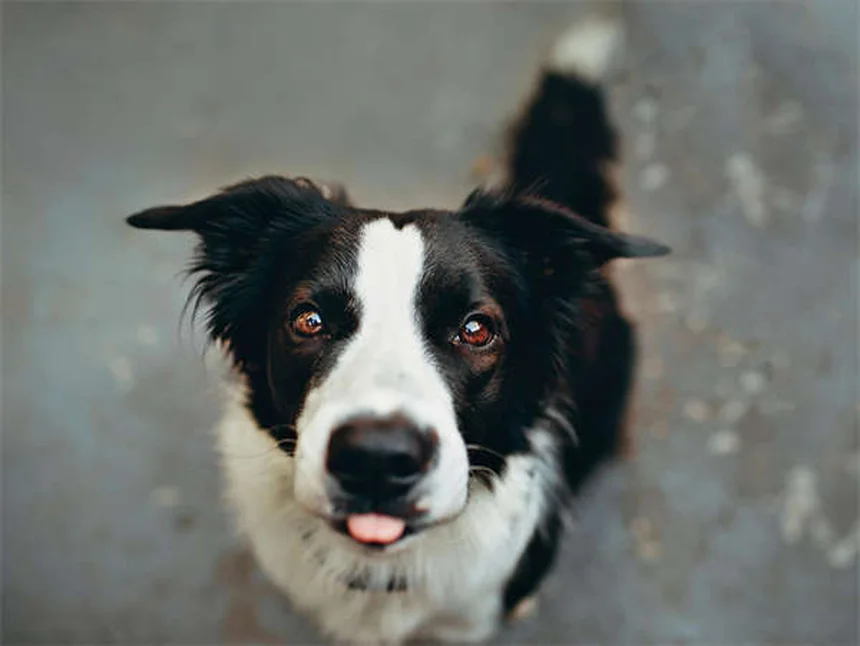 Photos provided by pixabay
The Happy Lick: When It Means "More Pets Please!"
Sometimes air-licking is pure joy! Like when you hit that perfect scratch spot and their leg starts thumping, some dogs lick air to say "RIGHT THERE HUMAN!"
Our beagle does this when we rub behind his ears - it's his way of applauding our petting skills!
When Should You Worry?
Here's my rule of thumb: If air-licking lasts more than a few minutes or happens dozens of times daily, schedule a vet visit.
Pro tip: Take videos of the behavior from different angles. This helps your vet see exactly what's happening. I once caught our dog air-licking only when the neighbor's cat watched through the window - mystery solved!
Watch for these emergency signs:
- Twitching during licking
- Biting at invisible objects
- Glazed-over expression
Final Thoughts From a Dog Mom
After years of decoding dog behavior, I've learned that air-licking is like a Swiss Army knife - it serves multiple purposes! While usually harmless, it's our job to notice when it crosses into concerning territory.
Remember: You know your dog best. When in doubt, trust your gut and consult your vet. Now go give your air-licking pup some extra love - they're just trying to tell us something in their own special way!
Understanding Your Dog's Air-Licking Habit
You know that moment when your dog suddenly starts licking the air like they've discovered an invisible ice cream cone? This behavior might seem random, but it's actually packed with meaning - and I'm here to help you understand what your furry friend is trying to communicate!
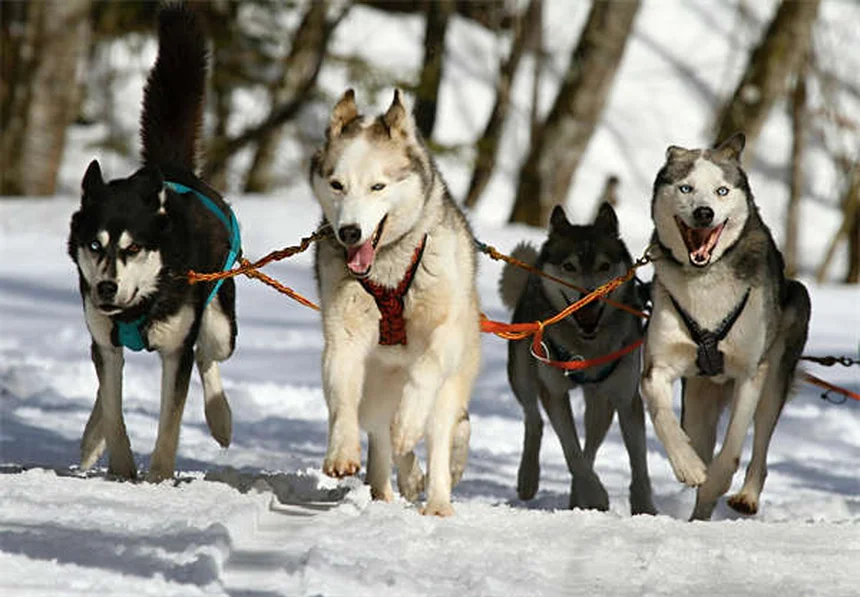 Photos provided by pixabay
The Happy Lick: When It Means "More Pets Please!"
Let's break down what's happening biologically when your dog does this. Their mouth and nose work together in ways that might surprise you!
When dogs lick air, they're activating their vomeronasal organ - a special scent detector we humans don't even have. This organ helps them analyze pheromones and other chemical signals in ways we can barely imagine. It's like they've got a built-in laboratory for sniffing out information!
Beyond the Basics: Lesser-Known Reasons
While we covered the main reasons dogs lick air, there are some fascinating additional explanations that don't get enough attention.
9. Temperature Regulation
Did you know dogs can't sweat like we do? When they're feeling hot, air-licking helps them cool down by increasing evaporation from their tongue. It's nature's version of a personal air conditioner!
Next time you see your pup doing this on a warm day, try offering some cool water. You might be surprised how quickly the behavior stops when they're properly hydrated and comfortable.
10. Social Communication
Dogs use air-licking as a subtle way to communicate with other dogs. In dog parks, you'll often see this behavior during play sessions or when meeting new canine friends.
It's their way of saying "I come in peace" or "Let's keep this friendly." Think of it like a human smile - a universal signal that helps maintain harmony in social situations.
Training Tips for Excessive Licking
If your dog's air-licking has become excessive, here are some practical strategies that have worked wonders for me and my clients.
First, try the distraction technique. When you notice the behavior starting, immediately engage your dog in a favorite activity. This could be playing fetch, practicing commands, or working on a puzzle toy. The key is to redirect their focus before the licking becomes compulsive.
Second, consider environmental enrichment. Boredom can trigger all sorts of repetitive behaviors in dogs. Adding new toys, rotating their playthings weekly, and increasing exercise can make a huge difference. Remember - a tired dog is usually a well-behaved dog!
 Photos provided by pixabay
The Happy Lick: When It Means "More Pets Please!"
Here's something most people don't realize - dogs often mirror our emotions through behaviors like air-licking.
When you're stressed or anxious, your dog picks up on those vibes and might start licking the air as a self-soothing mechanism. It's their version of biting nails or twirling hair. This is why maintaining your own calm energy can actually help reduce your dog's nervous habits!
Nutritional Factors
Could your dog's diet be contributing to air-licking behavior? The answer might surprise you!
Certain nutritional deficiencies, particularly B vitamins and magnesium, have been linked to increased nervous behaviors in dogs. Here's a quick comparison of common dog food types and their nutritional profiles:
| Food Type | Pros | Cons |
|---|---|---|
| Kibble | Convenient, complete nutrition | Lower moisture content |
| Wet Food | Higher protein, more palatable | More expensive, shorter shelf life |
| Raw Diet | Natural, high nutrient density | Requires careful balancing |
Have you ever considered that your dog might be licking air because they're craving certain nutrients? Many pet owners report reduced compulsive behaviors after switching to higher-quality foods or adding specific supplements.
When to Seek Professional Help
While most air-licking is harmless, there are times when professional intervention is the best choice for your pup's wellbeing.
If the behavior persists despite your best efforts, or if you notice any accompanying symptoms like weight loss, changes in appetite, or unusual lethargy, it's time to consult your vet. They can rule out medical causes and help develop a tailored treatment plan if needed.
For behavioral issues, a certified dog trainer or veterinary behaviorist can work wonders. I've seen cases where just a few sessions of targeted training completely transformed a dog's compulsive habits!
Creating a Lick-Friendly Environment
Instead of just trying to stop the behavior, why not create an environment where your dog can lick appropriately?
Try setting up a "lick station" with a lick mat spread with peanut butter or yogurt. This gives your dog an approved outlet for their licking instinct while keeping them mentally stimulated. Frozen versions are especially great for hot days!
Remember - licking is a natural dog behavior. Our goal shouldn't be to eliminate it completely, but rather to help our dogs express it in healthy, appropriate ways.
The Bonding Power of Understanding
At the end of the day, decoding behaviors like air-licking strengthens the incredible bond we share with our dogs.
Each time we take the time to understand what our dogs are communicating, we're showing them how much we care. And isn't that what being a pet parent is all about? The more we learn about their unique language, the deeper our connection becomes.
So next time you catch your dog in an air-licking moment, take a second to appreciate the complex communication happening right before your eyes. Your furry friend is sharing their world with you in the only way they know how!
E.g. :Why Do Dogs Lick The Air? | PetMD
FAQs
Q: Is it bad if my dog licks the air occasionally?
A: Not at all! Occasional air-licking is as normal as humans tapping their feet. Many dogs do it to enhance their smell (they've got 50 times more scent receptors than we do!) or simply because they're happy. I tell my clients to think of it like your dog's version of humming - usually just a harmless habit. The key is watching for changes in frequency or duration. If Fido goes from quick licks to 5-minute lickathons, that's when we want to investigate further with your vet.
Q: Why does my dog lick the air when I pet them?
A: That's doggie for "More please!" Just like some dogs kick their legs when you hit the perfect scratch spot, air-licking can be a sign of pure bliss. My beagle does this exact "happy lick" when I rub behind his ears - it's his way of applauding my petting skills! Unless it's accompanied by signs of discomfort (like pulling away), consider it a compliment to your massage techniques.
Q: Can air-licking mean my dog is sick?
A: Sometimes, yes. While usually harmless, excessive air-licking can signal nausea, dental pain, or even neurological issues. Here's my pro tip: Watch for these red flags: drooling, bad breath, loss of appetite, or twitching during licking. If you notice these along with increased air-licking, schedule a vet visit. I always recommend taking videos - they help your vet see exactly what's happening when you're not describing it.
Q: How can I stop my dog's compulsive air-licking?
A: First, identify the trigger. Is it anxiety? Boredom? Medical issues? For my anxious patients, I recommend: 1) More exercise (a tired dog is a calm dog), 2) Puzzle toys for mental stimulation, and 3) Consulting your vet about anti-anxiety options if needed. For compulsive cases, we often use behavior modification training combined with environmental changes. Remember - never punish air-licking, as this can increase anxiety!
Q: Do older dogs lick air more often?
A: They can! About 14% of dogs over 8 develop canine cognitive dysfunction (doggy dementia), where repetitive behaviors like air-licking increase. If your senior pup starts other new behaviors like wandering or confusion, mention it to your vet. But don't panic - sometimes older dogs just develop quirky habits, like humans talking to their plants! The key is tracking changes and discussing them with your vet during regular checkups.