6-9 Month Puppy Care: Essential Tips for Your Growing Dog
- Dec 01,2025
What should you expect with your 6-9 month old puppy? Here's the deal: your furry friend is entering their rebellious teenage phase, and they'll need your guidance more than ever! I've been through this stage with my Labrador Max, and let me tell you - it's both challenging and incredibly rewarding.At this age, your puppy is developing physically and mentally at lightning speed. They've got all their adult teeth (though sometimes stubborn baby teeth hang around), their energy levels are through the roof, and they'll start testing boundaries like a human teenager. The good news? With proper care, training, and lots of patience, you'll navigate this phase successfully. I'll share exactly what worked for me and other puppy parents during these crucial months.
E.g. :When to Put Your Dog Down: 7 Signs It's Time to Say Goodbye
- 1、Your Puppy's Physical Changes (6-9 Months)
- 2、Understanding Puppy Behavior Changes
- 3、Feeding Your Growing Puppy
- 4、Health Maintenance Essentials
- 5、Training Through Adolescence
- 6、Bonus Puppy Care Hacks
- 7、Beyond the Basics: Advanced Puppy Care
- 8、The Emotional Side of Puppy Parenting
- 9、Unexpected Challenges (And How to Beat Them)
- 10、Pro Tips From Experienced Dog Owners
- 11、The Joy of Puppy Milestones
- 12、FAQs
Your Puppy's Physical Changes (6-9 Months)
Teeth and Growth Spurts
Guess what? Your little furball is now entering their "teenage" phase! Between 6-9 months, most puppies have all their adult teeth. But here's a fun fact - sometimes baby teeth don't fall out properly. I once saw a Labrador with a tiny baby tooth sitting right next to its big adult tooth like a little sibling refusing to move out!
Pro tip: If you spot these stubborn baby teeth, make an appointment with your vet. Leaving them in can cause dental problems later. And speaking of vet visits, this is the perfect time to spay/neuter your pup. Let me break down why this matters:
| Procedure | Health Benefits |
|---|---|
| Spaying (females) | Reduces mammary cancer risk by 90% and prevents uterine infections |
| Neutering (males) | Eliminates testicular cancer and reduces prostate issues |
Energy Levels and Exercise Needs
Ever wonder why your puppy suddenly acts like they drank three espresso shots? That's adolescence for you! Their energy levels skyrocket during this period. My neighbor's Golden Retriever at 8 months could literally run circles around us for hours.
Here's what works: structured playtime with plenty of chew toys. When my pup Max went through this phase, we did 30-minute training sessions followed by fetch games. It kept him from redecorating our furniture with teeth marks!
Understanding Puppy Behavior Changes
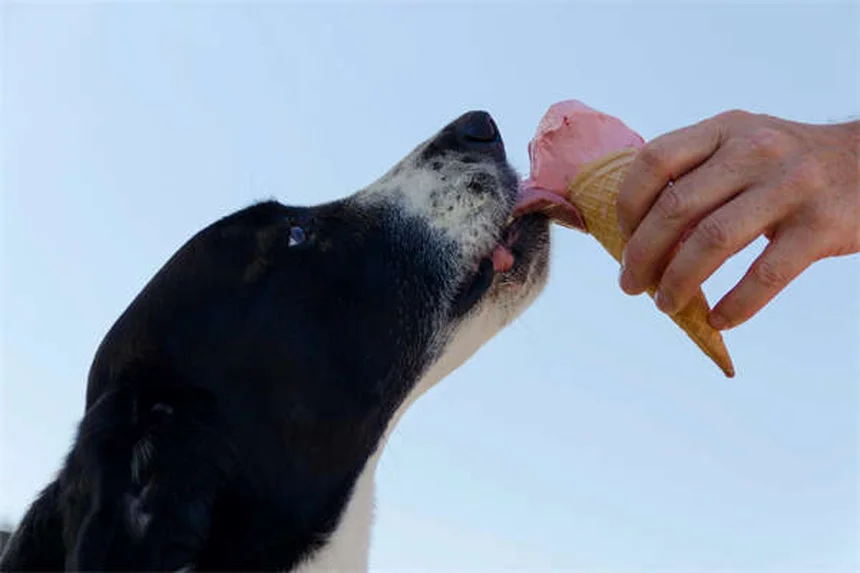 Photos provided by pixabay
The "Testing Boundaries" Phase
Remember when you were a teenager and thought you knew everything? Puppies go through the same thing! Suddenly, that perfect "sit" command gets ignored with a sassy head tilt.
Victoria Wells from ASPCA says this is completely normal. Your puppy isn't being stubborn - they're just exploring their independence. The key? Consistency. When my pup refused to "stay," I used high-value treats (think chicken bits) to regain his focus.
Socialization Challenges
Is your puppy suddenly more interested in other dogs than you? Don't take it personally! Unaltered dogs become distracted by potential mates around 6-9 months.
Here's a funny story: My friend's unneutered Beagle once escaped to serenade the neighbor's Poodle! Spaying/neutering helps keep their attention on you. Even altered pups can get rowdy though - that's why impulse control games (like "wait" for treats) become crucial during this stage.
Feeding Your Growing Puppy
Diet Adjustments
By now, you can probably reduce meals from three to two times daily. But wait - did you know large breed puppies need different nutrition than small breeds?
When I switched my Great Dane puppy to large-breed formula, his growth stabilized beautifully. Always consult your vet about specific needs. Here's a quick comparison of what we discussed for Max:
- Protein: 22-26% for optimal muscle development
- Calcium: Balanced levels to support bone growth
- Feeding schedule: Two measured meals prevents obesity
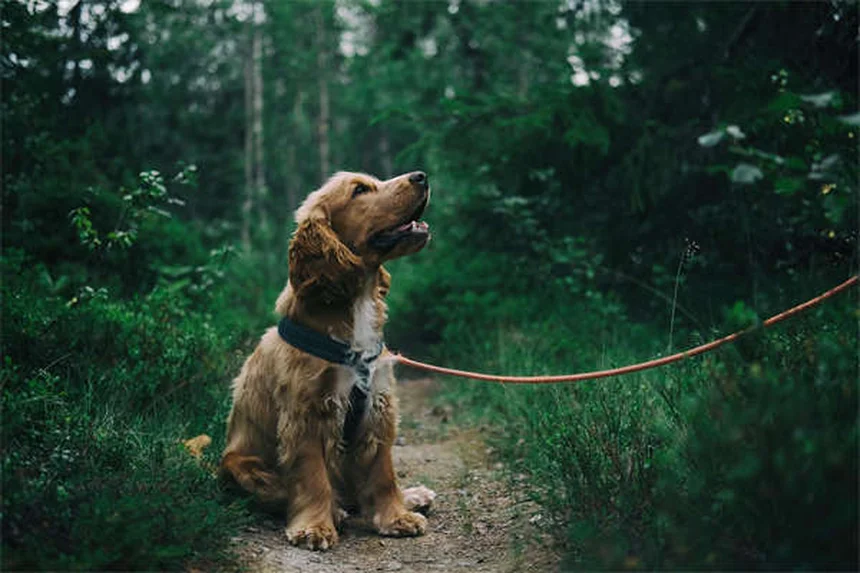 Photos provided by pixabay
The "Testing Boundaries" Phase
Heartworm and flea prevention isn't glamorous, but neither are vet bills! Monthly preventatives are non-negotiable at this age.
Funny enough, my pup thought his heartworm chew was a treat. Little did he know it was protecting him from serious illness! Set calendar reminders - it's easy to forget during busy months.
Health Maintenance Essentials
Vaccination Checkup
By six months, your puppy should have all core vaccines. But here's a question: Do you know which ones they've received? Many owners don't realize there's often a final round at 16 weeks.
I keep Max's vaccine records on my phone - super handy for daycare or boarding. Pro tip: Take photos of all vet paperwork so you always have backups!
Grooming Routines
Nail trims and teeth brushing might seem trivial, but they're lifelong health essentials. Start slow - I first let Max sniff the toothbrush, then gave treats for letting me touch his gums.
Now he actually enjoys his minty toothpaste! For nails, try doing one paw per day with plenty of praise. Remember: Positive associations now prevent stress later.
Training Through Adolescence
 Photos provided by pixabay
The "Testing Boundaries" Phase
Think of this phase like high school - time to build on fundamentals! Recall training becomes critical as your pup gains confidence.
At the dog park, I practiced calling Max back every 5 minutes (with steak rewards). Now he comes sprinting, even mid-play! The secret? Making yourself more exciting than distractions.
Channeling Energy Productively
Ever seen a bored adolescent puppy? It's like a tiny tornado! Physical exercise alone isn't enough - mental stimulation is key.
We love puzzle toys stuffed with kibble. It keeps Max busy for hours! Another favorite: "Find it" games where he searches for hidden treats. Tires him out faster than a 3-mile walk!
Bonus Puppy Care Hacks
House Training Wins
Good news! At this age, bladder control improves dramatically. My pup went from hourly potty breaks to holding it for 4-5 hours.
But beware - more independence means more mischief. I learned this when Max figured out how to open the pantry! Puppy-proofing remains essential.
Creating Structure
Teenage pups thrive on routine, just like human teens. We stick to consistent:
- Wake-up times (yes, even weekends)
- Feeding schedules
- Training sessions
It made all the difference in Max's behavior. Think of it as setting healthy boundaries - they'll thank you later!
Enjoying the Journey
This phase flies by faster than a squirrel at the dog park! One day you'll miss these chaotic puppy moments.
My favorite memory? When Max proudly carried his first "big boy" chew toy. Treasure these months - soon you'll have a well-behaved adult dog (who probably still steals socks)!
Beyond the Basics: Advanced Puppy Care
Understanding Breed-Specific Needs
You know what's wild? Not all puppies grow at the same rate! That tiny Chihuahua puppy will mature way faster than your friend's Great Dane. I learned this the hard way when my neighbor's Mastiff pup kept outgrowing his beds every two weeks!
Here's something most new puppy parents don't consider: Working breeds like Border Collies need way more mental stimulation than lap dogs. My cousin's Australian Shepherd learned to open doors at 7 months - not because he was naughty, but because his brilliant brain needed challenges. Tailoring activities to your pup's natural instincts prevents so many behavior issues!
The Hidden World of Dog Sports
Ever watched those amazing agility dogs on TV and thought "My pup could never do that"? Think again! Adolescence is actually the perfect time to explore fun activities together.
When Max turned 8 months, we tried nose work (basically hide-and-seek with treats). You wouldn't believe how his confidence soared! Local training clubs often offer affordable intro classes to sports like:
- Rally obedience (like a doggy obstacle course)
- Dock diving (for water-loving breeds)
- Barn hunt (using their natural scenting abilities)
The Emotional Side of Puppy Parenting
Reading Canine Body Language
Here's a question that might surprise you: Can you tell when your puppy is frustrated versus scared? Most owners miss these subtle cues until it's too late.
I'll never forget when Max started "whale eye" (showing the whites of his eyes) during grooming. Turns out he wasn't being difficult - he was stressed! Now we watch for these silent signals:
| Body Signal | What It Means |
|---|---|
| Yawning when not tired | Stress or discomfort |
| Lip licking | Nervousness or uncertainty |
| Play bow with stiff tail | Overstimulation (not actual play) |
Building Unshakable Trust
Remember your first crush? Puppies form equally intense attachments during adolescence! This is when they decide if you're their lifelong "person."
My trainer friend swears by the 5-minute daily massage technique - gentle petting while checking for lumps or sore spots. Max now melts into a puddle of joy during these sessions. It's our special bonding time that also doubles as health monitoring!
Unexpected Challenges (And How to Beat Them)
The Leash-Reactive Phase
Why does your sweet puppy suddenly bark at every passing dog? Welcome to the leash-frustration club! Nearly all adolescent pups go through this.
Here's what worked for us: Instead of scolding, we practiced the "look at that" game. Every time Max noticed another dog calmly, he got a treat. Now he automatically looks to me for rewards instead of reacting. Takes patience, but wow does it pay off!
Sleep Regression Surprises
Just when you thought sleepless puppy nights were over... bam! Adolescence brings new sleep disruptions. Max started waking at 3 AM wanting to play for two weeks straight.
Our solution? A sturdy crate cover and white noise machine. Turns out, neighborhood sounds were triggering his protective instincts. Now he sleeps like... well, a baby (the human kind that actually sleeps)!
Pro Tips From Experienced Dog Owners
The Power of "Nothing in Life is Free"
Want to know a game-changing training philosophy? Make your pup work for everything! I'm not talking sweatshop labor - just simple exchanges.
Before meals, Max must sit. Before going outside, he brings me a toy. These tiny moments add up to huge respect and self-control. Plus, it's adorable watching him proudly "pay" for privileges with good behavior!
Preventing Future Problem Behaviors
Here's something most folks don't realize: Many adult dog issues start during adolescence. That "cute" jumping now becomes dangerous when your pup is full-sized.
We practiced "four on the floor" - only greeting Max when all paws were down. Took consistency, but now guests don't get knocked over! Other smart moves:
- Handling paws daily (for future nail trims)
- Practicing gentle mouthing (for bite inhibition)
- Exposing to various surfaces (grates, stairs, etc)
The Joy of Puppy Milestones
Celebrating Small Victories
You'll want to remember these moments! I started a "puppy journal" noting Max's achievements:
"October 12 - Carried the BIG stick home all by himself!" These notes became priceless when he graduated training class. Don't forget to document the journey - the messy parts make the best stories later!
Preparing for Adulthood
While you're soaking up puppyhood, let's peek ahead. Around 9 months, you'll notice your rebel starting to mellow (a little!).
We began transitioning Max to adult routines: Longer walks, more responsibility (like carrying his own poop bags - fancy!). Watching him grow into his big dog personality has been the most rewarding experience. Who knew that mouthy little land shark would become my best hiking buddy?
E.g. :Your Puppy: Months 6-9 | PetMD
FAQs
Q: When should I spay/neuter my 6-9 month old puppy?
A: Now is the perfect time! Most vets recommend spaying/neutering between 4-6 months, but it's absolutely fine if you're doing it during this 6-9 month window. Here's why it's so important: spaying females reduces mammary cancer risk by a whopping 90% and prevents uterine infections, while neutering males eliminates testicular cancer completely. I waited until Max was 7 months old, and the recovery was surprisingly quick - just a few days of keeping him calm (which was the real challenge with his teenage energy!).
Q: Why is my puppy suddenly ignoring commands they used to know?
A: Welcome to the "I know better than you" phase of puppy adolescence! Around 6-9 months, your pup starts testing boundaries like a human teenager. My Max suddenly forgot his perfect "sit" and would give me this sassy head tilt instead. The ASPCA behavior experts confirm this is completely normal. The solution? Double down on training with high-value treats (think real chicken or cheese) and keep sessions short and fun. Consistency is key - they'll come back around!
Q: How much exercise does a 6-9 month old puppy need?
A: More than you'd think! Adolescent puppies have energy to burn, typically needing 1-2 hours of activity daily. But here's the catch - it's not just about physical exercise. Mental stimulation is equally important. I learned this the hard way when Max started chewing furniture out of boredom. We solved it with puzzle toys, training games, and "find it" scent work. A tired puppy is a well-behaved puppy, so mix up walks with brain games for best results.
Q: Should I change my puppy's feeding schedule at this age?
A: Yes! Most puppies can transition from three meals to two daily around 6 months. But pay attention to your specific breed - large dogs like Great Danes need special large-breed formulas to support proper growth. When I switched Max to two meals, I made sure each portion was slightly larger to maintain his calorie needs. Always consult your vet about exact amounts, and remember: measured meals prevent obesity, which is crucial during this rapid growth phase.
Q: How can I make grooming easier for my adolescent puppy?
A: Start slow and make it positive! I turned nail trims and teeth brushing into bonding time with Max. First, let them sniff the tools while giving treats. Then progress to brief touches (like holding a paw) with praise. For teeth, I used peanut-brush flavored toothpaste - Max now thinks it's a treat! The ASPCA recommends daily brushing with a dog toothbrush or finger brush. Pro tip: do grooming after exercise when they're calmer. It took weeks of patience, but now Max sits still for his "spa time."