5 Essential Tips for Welcoming Your New Dog Home Successfully
- Feb 14,2026
Welcoming a new dog into your family? The answer is: Yes, you can make this transition smooth with the right approach! Bringing home a new furry friend is one of the most exciting moments, but let's be real - it can also feel overwhelming. I've been through this process multiple times with my own dogs, and I'm here to tell you that those first few weeks are absolutely crucial for setting up a lifetime of happiness together.You're probably wondering: How do I make sure my new dog adjusts well? The key is combining patience with smart preparation. From crate training to establishing routines, we'll walk through everything you need to know. Trust me, taking the time to do this right will save you countless headaches later. Whether you're adopting a puppy or an adult dog, these proven strategies will help you build that unbreakable bond from day one.
E.g. :7 Warning Signs Your Diabetic Dog Needs Emergency Care Now
- 1、Getting Ready for Your New Furry Family Member
- 2、The First 30 Days: Your Action Plan
- 3、Essential Training Foundations
- 4、Nutrition and Health Matters
- 5、Socialization and Mental Stimulation
- 6、Troubleshooting Common Challenges
- 7、Building a Lifelong Bond
- 8、Looking Ahead
- 9、Expanding Your Dog's Social Circle
- 10、Traveling With Your Canine Companion
- 11、Seasonal Safety Considerations
- 12、Special Needs and Senior Care
- 13、Financial Planning for Pet Parents
- 14、Celebrating Your Dog's Unique Personality
- 15、FAQs
Getting Ready for Your New Furry Family Member
Preparing Your Home
Before your new dog arrives, you'll want to dog-proof your home just like you would for a toddler. Get down on all fours and look for potential hazards at their eye level. Those electrical cords? Yeah, they look like chew toys to a curious pup. That houseplant in the corner? Might be toxic. Trust me, you don't want to learn this the hard way like I did with my Labrador who thought my favorite shoes were his personal chew toys!
Here's a quick checklist of essentials you'll need:
- A comfortable bed (size appropriate for your dog)
- Food and water bowls (stainless steel is best)
- High-quality dog food (more on this later)
- Collar with ID tags (immediately!)
- Leash (4-6 feet is ideal for training)
- Toys (variety is key - squeaky, chew, puzzle)
- Grooming supplies (brush, nail clippers, shampoo)
Setting Up Their Safe Space
Every dog needs a sanctuary - a place they can retreat to when feeling overwhelmed. This could be a crate (more on crate training later) or a designated corner with their bed. Pro tip: Put this in a quiet area but where they can still see family activity. You want them to feel secure but not isolated.
When my neighbor adopted a rescue, they made the mistake of putting the dog's bed in the basement. Poor Max thought he was being punished every time they sent him to his "room." After moving his bed to the living room corner, his anxiety improved dramatically. Location matters!
The First 30 Days: Your Action Plan
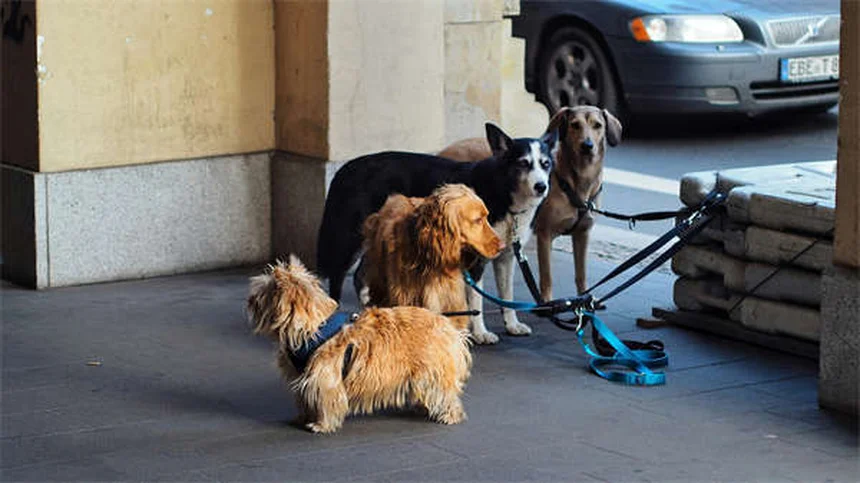 Photos provided by pixabay
Day 1-7: The Adjustment Period
The first week is all about helping your dog feel safe and secure. Routine is your new best friend during this phase. Feed at the same times, take potty breaks on schedule, and keep introductions to new people and pets slow and controlled.
Did you know that most dogs take about 3 days to decompress, 3 weeks to learn your routine, and 3 months to feel completely at home? That's why those first 30 days are so crucial for setting the foundation of your relationship.
Day 8-14: Building Trust
Now that your dog is starting to settle in, it's time to work on bonding. Positive reinforcement training is the way to go. Keep sessions short (5-10 minutes) and fun. Always end on a positive note!
Here's a comparison of training approaches that worked for different breeds I've worked with:
| Breed | Best Training Method | Typical Challenge |
|---|---|---|
| Labrador | Food rewards | Overexcitement |
| German Shepherd | Clicker training | Protectiveness |
| Beagle | Scent games | Distractibility |
Essential Training Foundations
Crate Training 101
Why crate train? Isn't it cruel? Actually, when done right, dogs view their crate as a safe den. The key is making it positive - feed meals in the crate, toss treats inside, and never use it for punishment. Start with short durations while you're home before leaving them alone in it.
My golden retriever puppy, Sunny, hated her crate at first. Then I started putting a frozen Kong stuffed with peanut butter in there. Now she runs to her crate when she sees me grab the peanut butter jar! Positive associations work wonders.
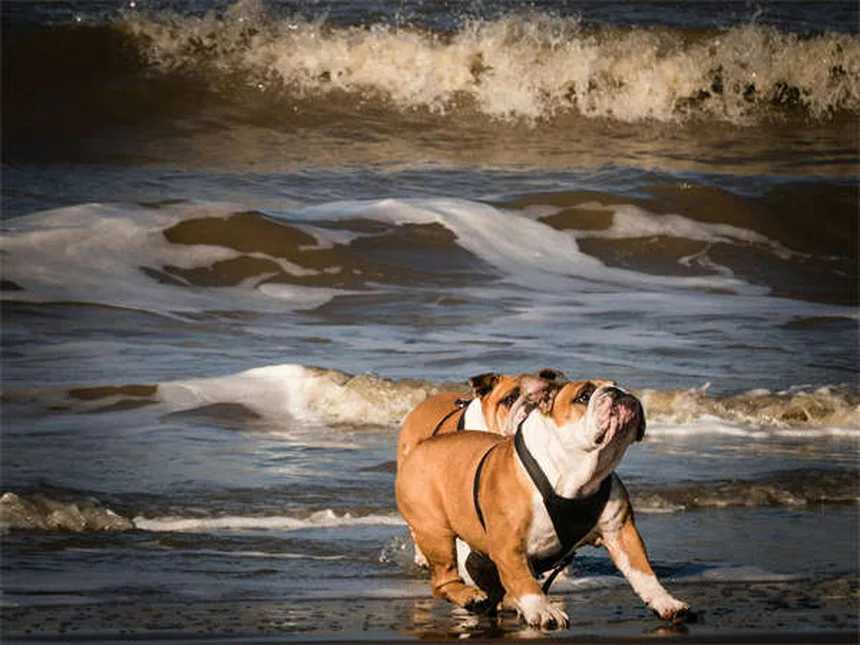 Photos provided by pixabay
Day 1-7: The Adjustment Period
Accidents will happen - it's part of the process. The secret? Consistency and patience. Take your pup out:
- First thing in the morning
- After meals
- After naps
- After play sessions
- Before bedtime
When they do their business outside, throw a party! Praise, treats, the works. If you catch them mid-accident inside, interrupt with a gentle "Oops!" and rush them outside. Never punish after the fact - they won't connect the dots.
Nutrition and Health Matters
Feeding Your New Dog
What should you feed your new companion? Is grain-free really better? The truth is, there's no one-size-fits-all answer. Start with whatever food they were eating before (get this info from the shelter or previous owner) to avoid stomach upset. Then gradually transition if you want to change foods over 7-10 days.
Here's a sample transition schedule:
- Days 1-2: 75% old food, 25% new food
- Days 3-4: 50% old, 50% new
- Days 5-6: 25% old, 75% new
- Day 7+: 100% new food
Veterinary Care Essentials
Schedule a vet visit within the first week, even if the shelter provided medical records. This establishes your dog's baseline health and gives you a chance to ask all those burning questions. Don't forget to bring:
- Any medical records
- A stool sample (yep, you'll need to collect poop)
- A list of questions
- Your dog's favorite treats
Many vets now offer "happy visits" where your dog just comes in for treats and pets to build positive associations. Ask about this option if your pup seems nervous!
Socialization and Mental Stimulation
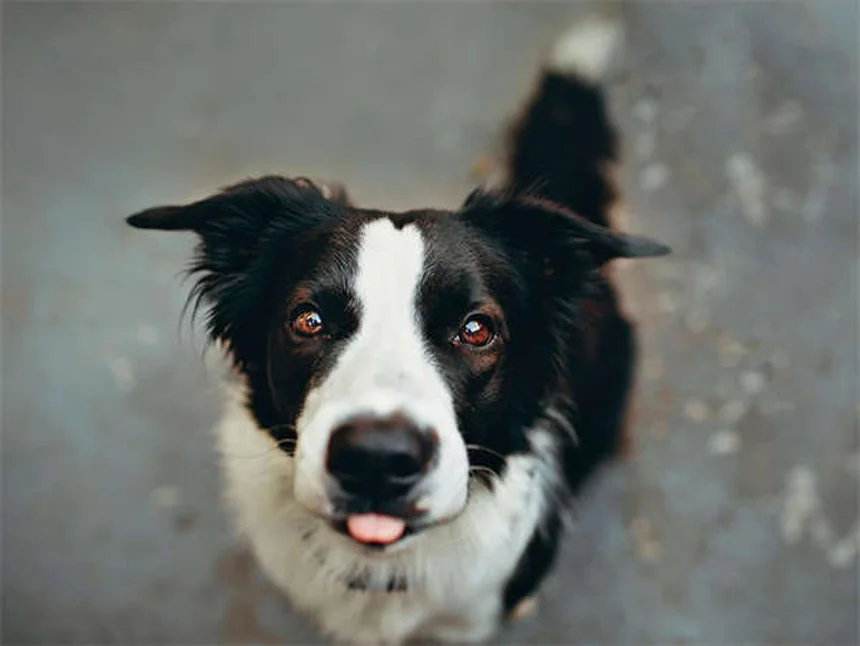 Photos provided by pixabay
Day 1-7: The Adjustment Period
Got other animals at home? Slow and steady wins the race. Start with scent swapping - let them smell each other's bedding before face-to-face meetings. First introductions should be on neutral territory, like a park walk. Keep initial interactions short and supervised.
When I introduced my new rescue to my cat, I used baby gates so they could see but not touch each other. It took weeks of gradual exposure before they could coexist peacefully. Now they're best friends who even share beds (on the cat's terms, of course).
Keeping Their Brain Busy
A tired dog is a good dog, but mental exercise tires them out faster than physical activity alone. Try these brain games:
- Puzzle toys (Kong Wobbler is my favorite)
- Hide and seek with treats
- Training new tricks (start with basics like "touch")
- Food-dispensing balls
- Nose work games
Remember, different breeds have different needs. A Border Collie will need more mental stimulation than a Basset Hound. Tailor activities to your dog's natural tendencies.
Troubleshooting Common Challenges
Separation Anxiety Solutions
Does your new shadow follow you everywhere? Is this normal? Some clinginess is expected during the adjustment period, but you'll want to gradually teach independence. Start by leaving the room for short periods, then work up to longer absences.
Helpful tools:
- Interactive toys for when you're gone
- Calming pheromone diffusers
- Background noise (TV or radio)
- Exercise before you leave
Dealing With Destructive Behaviors
Chewed shoes? Dug up plants? Before getting frustrated, ask yourself: Is my dog getting enough exercise and mental stimulation? Often, destruction stems from boredom or anxiety rather than spite.
Redirect chewing to appropriate toys. When you catch them chewing something off-limits, calmly swap it for an approved chew toy. And puppy-proof anything you don't want destroyed - it's easier to prevent than correct!
Building a Lifelong Bond
Quality Time Together
The best way to bond? Simply be present. Sit on the floor with them. Hand-feed some meals. Gentle grooming sessions. These quiet moments build trust more than any fancy training technique.
One of my favorite bonding activities is "capturing calmness." Whenever your dog is relaxed (lying down calmly, not demanding attention), quietly drop a treat near them. They'll learn that calm behavior gets rewarded!
Reading Your Dog's Signals
Learning to "speak dog" will transform your relationship. Watch for:
- Relaxed body: loose wagging tail, soft eyes
- Stressed signals: yawning, lip licking, whale eye
- Playful mood: play bow, bouncy movements
- Fearful: tucked tail, ears back, crouching
The more you understand their language, the better you can meet their needs and prevent problems before they start. It's like having a secret decoder ring for your best friend!
Looking Ahead
Setting Up for Long-Term Success
Those first 30 days fly by, but the habits you establish now will last a lifetime. Keep up with:
- Regular vet checkups
- Consistent training
- Daily exercise routines
- Mental enrichment
- Quality bonding time
Before you know it, you won't remember life without your furry companion. And that's when the real adventure begins!
When to Seek Professional Help
While most adjustment issues resolve with time and consistency, don't hesitate to call in reinforcements if you're dealing with:
- Aggression issues
- Severe anxiety
- Persistent house soiling
- Excessive fearfulness
A good trainer or behaviorist can make all the difference. Remember, asking for help isn't failure - it's being the best pet parent you can be!
Expanding Your Dog's Social Circle
Dog Park Etiquette 101
Ever watched dogs at a park and wondered why some playgroups click while others turn chaotic? Successful dog park visits start long before you enter the gate. Your pup should master basic commands like "come" and "leave it" in distracting environments first. I learned this the hard way when my overexcited Boxer decided the entire park was his personal racetrack!
Here's what makes a great park citizen:
- Polite greeting style (no jumping or mounting)
- Appropriate play signals (play bows, loose body language)
- Good recall response (comes when called)
- Respects other dogs' boundaries
Making Human Friends Too
Your dog isn't the only one who needs socialization - you'll want to connect with other dog owners in your neighborhood. These relationships become invaluable when you need last-minute pet sitting or want to organize group walks. Start by joining local Facebook groups or attending meetups at dog-friendly cafes.
My weekly "Yappy Hour" group has saved my sanity more times than I can count. When my work schedule changed unexpectedly last month, three different neighbors offered to walk my pup. That's the power of building community!
Traveling With Your Canine Companion
Road Trip Ready
Planning a vacation? Why leave your best friend behind? With proper preparation, road trips can be fantastic bonding experiences. Start with short test drives to gauge your dog's comfort level. Always use a crash-tested harness or travel crate - safety first!
Must-have travel items:
- Portable water bowl and bottled water
- Familiar bedding for hotel stays
- Current vaccination records
- Emergency vet contacts along your route
- Favorite chew toys for stress relief
Air Travel Considerations
Flying with Fido requires extra planning. Each airline has different pet policies, and some breeds (like snub-nosed dogs) face higher risks. If possible, book direct flights and avoid extreme temperatures. I'll never forget the panic when my friend's flight got delayed in Phoenix with her French Bulldog in cargo - they both needed recovery time after that ordeal!
Consider these alternatives to cargo:
- In-cabin for small dogs (usually under 20 lbs)
- Pet relocation services for long distances
- Road trips or pet-friendly trains instead
Seasonal Safety Considerations
Summer Survival Guide
When temperatures rise, pavement becomes a silent danger. That sidewalk that feels warm to your hand? It's scorching for sensitive paw pads. Walk during cooler morning/evening hours and stick to grassy areas when possible. And never, ever leave your dog in a parked car - interior temperatures can become deadly within minutes.
Summer must-haves:
- Cooling vest or mat
- Dog-safe sunscreen (especially for light-colored noses)
- Portable water dispenser
- Kiddie pool for backyard cooling
Winter Wellness Tips
Cold weather brings its own challenges. Did you know many dogs need winter coats, especially short-haired breeds? Watch for signs of discomfort like lifting paws or shivering. And that road salt? It can cause painful cracks between toes - rinse paws after walks and consider booties for icy conditions.
My Siberian Husky may love snow, but even he needs protection during Chicago winters. We've developed quite the routine:
- Paw balm applications before walks
- Insulated waterproof jacket for extreme cold
- Shorter, more frequent potty breaks
- Indoor enrichment games on brutal days
Special Needs and Senior Care
Adapting for Aging Companions
As dogs enter their golden years, their needs evolve dramatically. That staircase they bounded up as puppies might now cause joint pain. Simple adjustments like ramps, orthopedic beds, and raised food bowls can make their senior years more comfortable. And don't skip those biannual vet visits - early detection is key for age-related conditions.
When my Labrador turned 10, we made these changes:
- Non-slip mats throughout the house
- Gentle daily massage for stiffness
- Modified exercise routine (shorter walks, more swimming)
- Senior-formula food with joint supplements
Caring for Special Needs Dogs
Dogs with disabilities often adapt better than we expect. Blind dogs memorize room layouts, deaf dogs respond to hand signals, and tripods run like the wind. The key is patience and creative problem-solving. There's an entire community of special needs pet parents ready to share tips and encouragement!
Check out these amazing adaptive products:
- Halo harnesses for blind dogs
- Wheelchairs for rear limb weakness
- Texture-based training tools for deaf dogs
- Special feeding stations for mobility issues
Financial Planning for Pet Parents
Budgeting for the Unexpected
Let's talk about the elephant in the room - vet bills can be shocking. That "free" puppy from Craigslist might need $3,000 in emergency care tomorrow. Start a dedicated pet savings account and consider pet insurance (especially for accident-prone breeds). I learned this lesson after my terrier's $5,000 snakebite treatment - thank goodness for care credit!
Compare these common financial options:
| Option | Pros | Cons |
|---|---|---|
| Pet Insurance | Covers major expenses, peace of mind | Monthly premiums, some exclusions |
| Savings Account | No restrictions, earns interest | Requires discipline, may not cover large bills |
| Care Credit | Interest-free periods, widely accepted | High interest if not paid on time |
Everyday Cost-Saving Tips
Owning a dog doesn't have to break the bank. Get creative with DIY toys (old towels make great braided ropes) and learn basic grooming skills. Many communities offer low-cost vaccination clinics, and buying food in bulk can lead to significant savings. Just avoid skimping on preventative care - that's where the real savings happen!
My favorite budget hacks:
- Homemade frozen treats (chicken broth ice cubes)
- Group training classes instead of private
- Dog-walking swaps with neighbors
- Buying non-branded versions of common medications
Celebrating Your Dog's Unique Personality
Embracing Quirks and Habits
That weird thing your dog does? It's probably completely normal in the canine world. From spinning before lying down to "burying" toys under invisible dirt, dogs develop hilarious personal rituals. Document these moments - you'll treasure them later. My phone's camera roll is 90% my Corgi's dramatic sighing performances!
Some endearing oddities I've encountered:
- The "butt tuck" zoomies after baths
- Carefully arranging toys before sleep
- Demanding specific pillows for napping
- Dramatic groaning when moving positions
Creating Personalized Traditions
What makes your bond special? Maybe it's Sunday morning pancake sharing or annual birthday photoshoots. These rituals become the heartwarming memories you'll cherish forever. Start simple - even nightly belly rub sessions count. My friend's Great Dane expects his "goodnight song" every evening without fail!
Ideas to spark your creativity:
- Pawprint art projects
- Customized holiday ornaments
- Adoption anniversary celebrations
- Training a unique trick no other dog knows
E.g. :a new adult dog from shelter - Day 1 tips and tricks? : r/Dogtraining
FAQs
Q: How long does it typically take for a new dog to adjust to their home?
A: Great question! Most dogs follow what trainers call the "3-3-3 rule": 3 days to decompress from the stress of transition, 3 weeks to learn your household routines, and 3 months to feel completely at home. But remember, every dog is different. My rescue Lab took nearly 4 months to fully settle in, while my friend's puppy adjusted in just a couple weeks. The important thing is to be patient and consistent with your routine. Watch for small signs of progress - when they start choosing their bed voluntarily or greeting you with relaxed body language, you'll know they're feeling more comfortable.
Q: What's the best way to introduce my new dog to my current pets?
A: Slow and steady wins this race! I always recommend starting with scent swapping before any face-to-face meetings. Rub a towel on your resident pet and let the new dog smell it, and vice versa. First meetings should be on neutral territory - think a quiet park or even a neighbor's yard. Keep both dogs on leashes but allow some slack so they don't feel restrained. Watch their body language closely; you want to see loose, wagging tails rather than stiff postures. And don't force interactions - some dogs need multiple short meetings before they're ready to coexist peacefully in the same space.
Q: How often should I take my new dog out for potty breaks?
A: Way more often than you might think! The general rule is a puppy can hold it for about 1 hour per month of age (so a 3-month-old puppy needs breaks every 3 hours). Adult dogs typically need to go out every 4-6 hours at first. But here's my pro tip: take them out after every transition - after eating, drinking, playing, napping, and training sessions. I keep a log for the first week to identify patterns. And remember, accidents will happen - when they do, just clean thoroughly with enzymatic cleaner and try not to get frustrated. Consistency and positive reinforcement work wonders!
Q: What supplies are absolutely essential for a new dog?
A: Let me share my must-have list that I've refined over years of dog ownership: a properly fitted collar with ID tags (get this before you even bring them home), a 4-6 foot leash for training, food and water bowls (stainless steel is most hygienic), high-quality food (ask what they were eating before), a comfortable bed, a few basic toys (something to chew, something to chase, and a puzzle toy), grooming supplies, and yes - poop bags! If you're crate training, add a appropriately sized crate to the list. Don't go overboard buying everything at once - you'll learn your dog's preferences over time.
Q: How can I tell if my new dog is stressed versus just adjusting?
A: Learning dog body language is so important! Common stress signs include excessive yawning, lip licking, whale eye (showing the whites of their eyes), tucked tail, and avoiding interaction. Some dogs may pace or pant heavily. But don't mistake all quiet behavior for stress - sometimes they're just processing their new environment. The key is watching for changes from their baseline. My rule of thumb? If behaviors persist beyond two weeks or interfere with normal activities like eating or sleeping, it's time to consult your vet or a trainer. Remember - you're learning about each other during this time!