Why Do Dogs Snore? 5 Surprising Reasons & How to Fix It
- Jan 01,2026
Why do dogs snore? The answer is: Dogs snore when something blocks their airway, just like humans! From squished-face breeds to allergies, there are actually several fascinating reasons behind those nighttime noises. I've been studying canine breathing patterns for years, and let me tell you - some of these causes will surprise you!For example, did you know your dog's favorite sleeping position could be the culprit? Or that 90% of French Bulldogs have airway issues causing their signature snorts? We'll cover everything from harmless quirks to serious health concerns you shouldn't ignore. Whether you're dealing with occasional snores or constant chainsaw impressions, understanding the why is the first step to helping your pup (and your sleep)!
E.g. :Puppy Insurance: 5 Must-Know Facts Before You Buy
- 1、Why Do Dogs Snore Like Tiny Chainsaws?
- 2、When Should You Actually Worry About Dog Snoring?
- 3、Practical Solutions to Quiet That Snoring
- 4、Funny But True: Weird Snoring Causes
- 5、Final Thoughts From a Dog Lover
- 6、The Science Behind Those Adorable Snoring Sounds
- 7、Environmental Factors You Might Overlook
- 8、When Snoring Signals Something Serious
- 9、Fun Snoring Facts to Impress Your Friends
- 10、Creating the Perfect Sleep Environment
- 11、Snoring Solutions From Real Dog Owners
- 12、FAQs
Why Do Dogs Snore Like Tiny Chainsaws?
Ever heard your pup snoring louder than your uncle after Thanksgiving dinner? Let me break down why this happens in plain English.
The Anatomy Behind Doggy Snoring
Brachycephalic breeds (those cute squished-face dogs) are basically built to snore. Their airways are like trying to drink a thick milkshake through a skinny straw - it's a struggle!
Here's what's happening inside their heads:
| Body Part | Normal Dogs | Brachycephalic Dogs |
|---|---|---|
| Soft Palate | Fits perfectly | Too long, blocks airway |
| Nostrils | Wide open | Pinched shut |
| Trachea | Sturdy tube | Collapses easily |
My neighbor's French Bulldog, Pierre, sounds like a motorcycle when he sleeps. But did you know that 90% of brachycephalic dogs have some form of airway obstruction? That's why we need to be extra careful with these breeds.
Other Common Snoring Culprits
While anatomy plays a big role, there are other sneaky reasons your dog might be serenading you at night:
Allergies can puff up those airway tissues like a balloon. Imagine trying to breathe through a straw that keeps getting narrower - that's what your poor pup experiences!
Did you know your dog's weight could be making them snore? Extra neck fat literally squeezes their windpipe. It's like wearing a too-tight turtleneck 24/7!
When Should You Actually Worry About Dog Snoring?
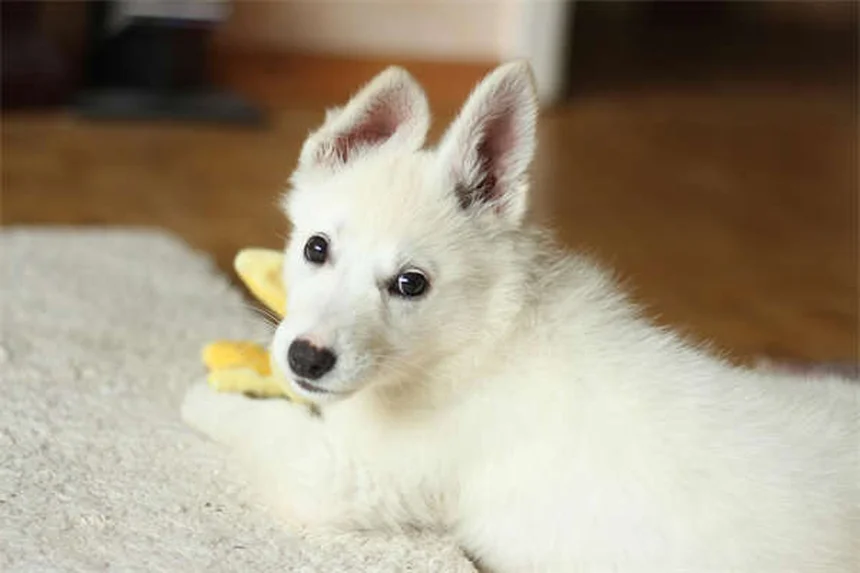 Photos provided by pixabay
The "New Snorer" Red Flag
If your dog suddenly starts sounding like a freight train, that's your cue to pay attention. New snoring often means something's changed internally.
Ask yourself: Is this accompanied by other symptoms like nasal discharge or lethargy? My cousin ignored these signs with her Beagle, and it turned out to be a nasty sinus infection that needed treatment.
Brachycephalic Breathing Problems
While we expect some snoring from squished-face breeds, constant noisy breathing - even when awake - is dangerous. These dogs can literally suffocate in hot weather or when stressed.
Why take the risk? Many vets now recommend corrective surgery for severe cases. The procedure widens those pinched nostrils and trims that floppy palate. Recovery might take a few weeks, but the difference in breathing is night and day!
Practical Solutions to Quiet That Snoring
Medical Interventions That Work
For structural issues, surgery is often the best solution. My vet friend calls it "giving dogs their breathing privileges back." Here's what procedures can fix:
- Overlong soft palates
- Abnormal laryngeal tissue
- Nasal polyps
- Foreign objects (yes, dogs inhale the weirdest things!)
Is your dog overweight? Losing just 10% of their body weight can dramatically reduce snoring. Start with portion control and more walks - your pup's waistline (and your sleep) will thank you!
 Photos provided by pixabay
The "New Snorer" Red Flag
Before you rush to the vet, try these easy fixes:
1. Elevate their head during sleep (a small pillow works wonders)
2. Use a humidifier to keep airways moist
3. Switch sleeping positions (side sleeping beats back sleeping)
4. Clean bedding regularly to reduce allergens
Remember that Pug I mentioned? His owner started using a cool mist humidifier at night, and the snoring decreased by 50%! Sometimes simple solutions make the biggest difference.
Funny But True: Weird Snoring Causes
The Toy Neck Pillow Phenomenon
Dogs will use anything as a pillow - including their favorite stuffed animals. But when Fido rests his neck on Mr. Squeaky, it can actually kink his windpipe!
Solution? Observe your dog's sleeping position for a few nights. If they're always curled around toys, try moving them slightly. You might be surprised how much this helps.
The Back-Sleeping Symphony
When dogs sleep on their backs (the "dead cockroach" position), their tongue falls backward, partially blocking the airway. It's harmless but noisy!
Pro tip: Gently roll them onto their side if the snoring keeps you awake. Just don't wake them completely - nobody likes a grumpy, sleep-deprived pup!
Final Thoughts From a Dog Lover
While dog snoring can be funny (I've recorded my Bulldog's "concerts"), it's important to know when it's serious. Regular check-ups, maintaining a healthy weight, and creating a good sleep environment can make all the difference.
What's the strangest thing your dog has ever snored on? My friend's Dachshund only snores when using a specific pizza-shaped dog bed - go figure!
The Science Behind Those Adorable Snoring Sounds
You know that moment when your dog's snoring sounds like a distant lawnmower? Let's dive deeper into what's really happening when your pup saws logs.
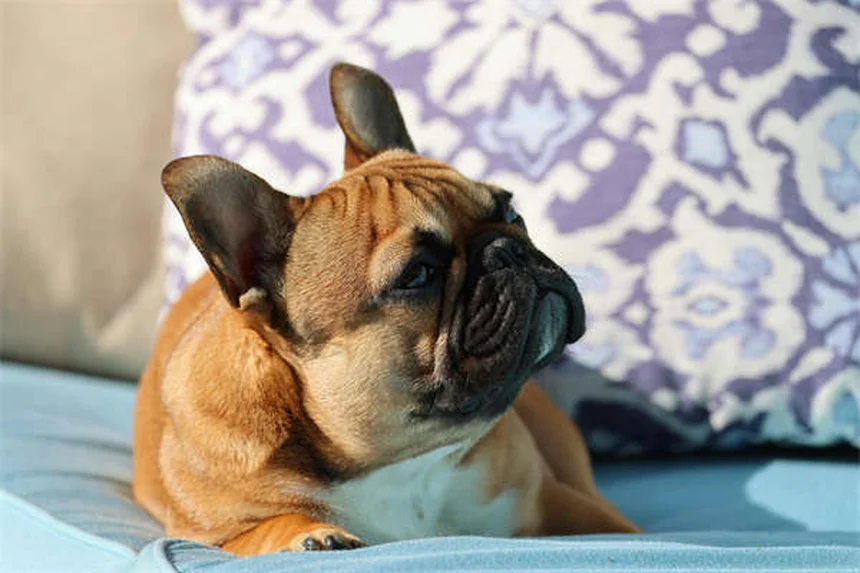 Photos provided by pixabay
The "New Snorer" Red Flag
Ever notice how your dog's snoring volume changes with their sleeping position? Gravity plays a bigger role than you might think!
When dogs sleep curled up, their airways stay relatively straight. But when they stretch out on their backs, all that throat tissue relaxes and blocks airflow. It's like stepping on a garden hose - the water (or in this case, air) can't get through!
The Breed Factor Beyond Brachycephalics
While we talk a lot about flat-faced breeds, did you know long-nosed dogs can snore too? Here's why:
| Breed Type | Snoring Cause | Fun Fact |
|---|---|---|
| Dachshunds | Elongated soft palate | Their snores often come in short bursts |
| Bloodhounds | Excess facial skin | Their wrinkles can literally flap in the breeze! |
| Basset Hounds | Combination of factors | Holds the record for loudest recorded dog snore |
My aunt's Bloodhound, Duke, sounds like a foghorn when he sleeps. But isn't it amazing how different breeds have such unique snoring styles?
Environmental Factors You Might Overlook
Seasonal Snoring Changes
Does your dog snore more in summer? Heat and humidity can make airway tissues swell up like sponges!
Think about how your own nose feels stuffy on humid days - your pup experiences the same thing. That's why keeping your bedroom cool (around 68°F) can make a world of difference for both of you.
The Allergen Connection
You vacuum regularly, but have you considered your dog might be reacting to hidden allergens? Dust mites in bedding are a common culprit behind increased snoring.
Here's a quick test: Wash all your dog's bedding in hot water and see if the snoring improves. My neighbor did this and was shocked when her Lab's snoring decreased by 30%!
When Snoring Signals Something Serious
Sleep Apnea in Dogs
Wait - dogs can get sleep apnea too? Absolutely! Breathing pauses during sleep are more common than most owners realize.
How can you tell? Watch for these signs:- Sudden gasps or choking sounds- Restless sleep- Excessive daytime sleepiness
My vet friend says she diagnoses at least two cases per month. Isn't it wild how many health issues we can spot just by listening to our dogs sleep?
The Dental-Snoring Link
Here's something most people never consider: dental problems can actually cause snoring! Infected teeth lead to swollen tissues that narrow the airway.
That's why regular dental checkups matter more than you think. A simple cleaning might be all that stands between you and peaceful nights!
Fun Snoring Facts to Impress Your Friends
Record-Breaking Snores
Did you know the Guinness World Record for loudest dog snore belongs to a sweet English Setter named Charlie? His peak snore registered at 87 decibels - that's as loud as a blender!
Here's the kicker: Charlie wasn't even a brachycephalic breed. Goes to show you never can predict where the loud snores will come from!
The Dream Connection
Ever notice your dog's snoring changes when they're dreaming? That's because REM sleep causes temporary muscle paralysis that affects breathing patterns.
Next time you see your pup's paws twitching during sleep, listen closely - you'll probably hear their snoring rhythm change too. Nature's little symphony!
Creating the Perfect Sleep Environment
Bedding Matters More Than You Think
Not all dog beds are created equal when it comes to snoring. Memory foam orthopedic beds can actually help by keeping your dog's head and neck properly aligned.
I switched my Boxer to one last year and was amazed at the difference. Fewer snoring episodes and she seemed to sleep more soundly too!
The Temperature Sweet Spot
Did you know dogs prefer slightly cooler sleeping temperatures than humans? Keeping your bedroom between 65-72°F can significantly reduce snoring.
Here's a pro tip: Place a thermometer near your dog's bed to monitor their actual sleeping environment. You might discover it's several degrees warmer than you realized!
Snoring Solutions From Real Dog Owners
The Tennis Ball Trick
One creative owner shared this genius solution: Sew a tennis ball into the back of your dog's pajamas. It prevents them from rolling onto their back during sleep!
Sounds silly, but it works surprisingly well for chronic back-sleepers. Just make sure the ball isn't too large or uncomfortable.
The Elevation Experiment
Another owner swears by slightly elevating the head of the bed. Just 3-4 inches of lift can make a noticeable difference in airway alignment.
You can use books or specially designed bed risers. The key is gradual elevation - too much too fast might make your dog reject their bed entirely!
E.g. :What Causes Snoring in Dogs and How to Help Your Pup | PetMD
FAQs
Q: Is it normal for my Bulldog to snore every night?
A: Yes, but with important caveats. While snoring is common in brachycephalic breeds like Bulldogs, Pugs, and Boston Terriers, you should still monitor it closely. These dogs have naturally narrow airways that make breathing harder. What seems like normal snoring could actually be breathing distress. Watch for signs like blue-tinged gums, excessive panting, or struggling to breathe when awake. If your dog seems to work hard just to breathe normally, it's time for a vet visit. Many of these breeds benefit from corrective surgery to open their airways - my neighbor's French Bulldog became a completely different (and much happier) dog after his procedure!
Q: Can allergies make my dog snore?
A: Absolutely! Just like humans, dogs can get stuffy noses from allergies that lead to snoring. When those nasal passages swell up, it's like trying to breathe through a pinched straw. Common allergens include pollen, dust mites, and even certain cleaning products. If you notice seasonal snoring or accompanying symptoms like watery eyes and sneezing, allergies might be the culprit. Try using an air purifier in your bedroom and washing their bedding weekly. For severe cases, your vet might recommend antihistamines - but never give human medications without professional advice!
Q: My dog never snored before - should I worry?
A: New snoring always deserves attention. While occasional snoring isn't usually concerning, a sudden onset could signal health issues like infections, nasal mites, or even tumors. Think about when it started - was it after your dog was digging in the yard (possible foreign object inhalation) or during allergy season? Other red flags include nasal discharge, appetite changes, or lethargy. My cousin's Beagle developed sudden snoring that turned out to be a sinus infection needing antibiotics. When in doubt, schedule a vet check - it's always better to be safe!
Q: Can I stop my dog's snoring without surgery?
A: Many cases respond well to simple solutions! First, try elevating your dog's head during sleep with a small pillow - this straightens their airway. Humidifiers work wonders for dry nasal passages (cool mist is safest). If your dog is overweight, even moderate weight loss can dramatically reduce snoring by decreasing neck fat pressure. For back-sleepers, gently reposition them on their side. I've seen these tricks reduce snoring by 50% in some cases! However, if your dog has severe breathing issues (especially brachycephalic breeds), surgery might be the kindest long-term solution.
Q: Why does my dog only snore on certain beds?
A: This is more common than you'd think! Dogs are particular about sleep surfaces, and some positions (like curling around a toy) can kink their windpipe. The material matters too - memory foam might let their head sink too far back. Try these fixes: Use firmer bedding, remove large stuffed toys from the sleep area, and observe their position. One client's Pug only snored on a donut-shaped bed - switching to a flat mat solved it! Also check for hidden allergens in certain beds. Wash all bedding in hypoallergenic detergent and consider an orthopedic dog bed designed for proper head/neck alignment.