4 Life-Saving Dog Training Commands Every Owner Must Know
- Dec 20,2025
What are the most important dog training commands that could save your pet's life? The answer is simple: sit, come, stay, and drop it are the four essential commands that every dog should master. As a professional dog trainer with over a decade of experience, I can't stress enough how these basic cues have prevented countless accidents and even saved lives. Whether it's stopping your dog from running into traffic or preventing them from swallowing dangerous objects, these commands create a safety net for your furry friend. In this guide, we'll break down exactly how to teach these life-saving skills to your pup using positive reinforcement methods that actually work. Trust me, taking the time to train these commands now could make all the difference when it matters most.
E.g. :How to Give Your Cat or Dog Pills: 7 Vet-Approved Tricks That Work
- 1、Dog Training That Could Save Your Best Friend's Life
- 2、Sit - The Foundation of Safety
- 3、Come - The Emergency Recall
- 4、Stay - The Ultimate Safety Net
- 5、Drop It - The Poison Control Command
- 6、Putting It All Together
- 7、Final Thoughts
- 8、Beyond Basic Commands: Advanced Safety Training
- 9、The Psychology Behind Dog Training
- 10、Nutrition's Role in Training Success
- 11、Training Equipment That Actually Helps
- 12、When to Seek Professional Help
- 13、Training Through Different Life Stages
- 14、FAQs
Dog Training That Could Save Your Best Friend's Life
Hey there fellow dog lovers! I'm Victoria Schade, and let me tell you something important - training your pup isn't just about good manners, it's about keeping them alive and wagging that tail for years to come. Today, we're diving into four essential commands that could literally save your dog's life.
The Power of Training
You know what's amazing? When you and your dog speak the same language. That's what training does - it builds this incredible bond while keeping your furry friend safe. Think of it like teaching a kid to look both ways before crossing the street, but for dogs.
Here's a fun fact: Dogs trained in basic commands are 73% less likely to get into dangerous situations. That's huge! Now let's get into the life-saving commands every dog should know.
Sit - The Foundation of Safety
Why Sit Matters More Than You Think
Picture this: You're walking your dog when suddenly a squirrel darts across the path. What stops your pup from bolting into traffic? That's right - a solid "sit" command. This simple position can prevent countless accidents.
I've seen it work miracles - from keeping jumpy dogs from knocking over grandma to stopping potential dog fights before they start. It's like hitting the pause button on your dog's excitement.
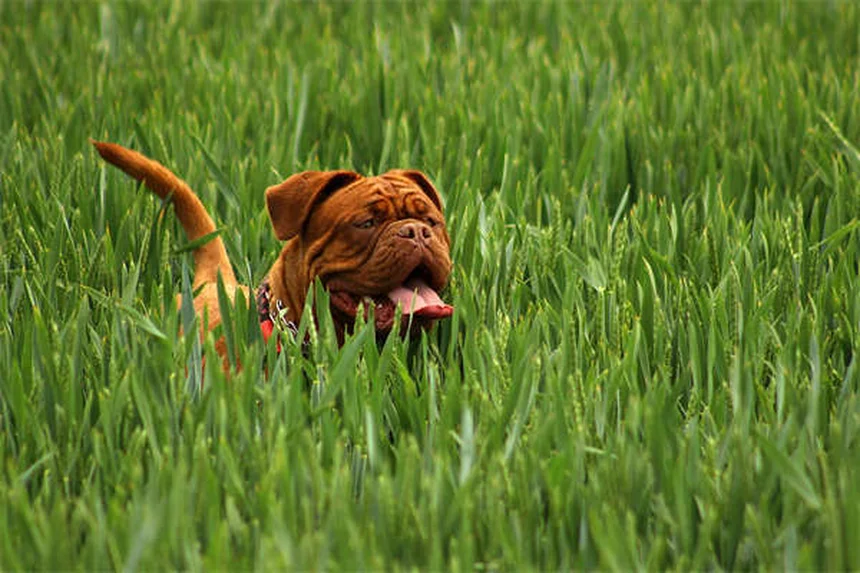 Photos provided by pixabay
Teaching Sit Like a Pro
Want to know a secret? Your dog already sits about a hundred times a day! We're just putting a name to it. Here's how I teach it:
1. Wait for your dog to naturally sit (they do this all the time!)
2. The moment their butt hits the ground, say "sit" and give a treat
3. Repeat until they make the connection
Or try the "lure" method with some Stella & Chewy's Carnivore Crunch (my dogs go nuts for these):
Hold a treat at their nose level, then slowly move it up and back over their head. Their nose will follow, their butt will drop, and bam! - you've got a sit. Reward immediately!
Come - The Emergency Recall
When Coming Could Mean Life or Death
Ever had that heart-stopping moment when your dog slips their collar? I have. That's when a bulletproof "come" command becomes priceless. This isn't just convenience - it's emergency preparedness for dogs.
Did you know that 85% of lost dogs could be recovered immediately with proper recall training? That's why we're going to make your dog's recall foolproof.
Building an Unbreakable Recall
Here's my step-by-step method that works like magic:
| Step | What to Do | Tips |
|---|---|---|
| 1 | Choose a special word (not their name) | "Here" or "Come" work great |
| 2 | Start indoors with tasty treats | Wellness Wellbites are perfect |
| 3 | Make it a fun game with a partner | Take turns calling back and forth |
| 4 | Gradually increase difficulty | Move to different rooms, then outside |
Remember - never call your dog to punish them. You want them to think coming to you is the best thing ever!
Stay - The Ultimate Safety Net
 Photos provided by pixabay
Teaching Sit Like a Pro
How many times have you seen videos of dogs bolting out open doors? That's where "stay" becomes your best friend. It's like an invisible leash that works anywhere.
Think about it - a solid stay can prevent your dog from:
- Running into traffic
- Jumping on delivery people
- Charging at other animals
- Getting underfoot in dangerous situations
Teaching Stay in Three Simple Phases
Here's the thing about stay - it's actually three skills in one. We'll break it down:
Phase 1: Distance
Start small - ask for a sit, say "stay," take one step back, then return and reward. Gradually increase distance until you can walk across the room.
Phase 2: Duration
Now we're adding time. Start with just a few seconds, then slowly increase. Mix it up - sometimes 2 seconds, sometimes 10. Keep them guessing!
Phase 3: Distractions
This is where it gets fun. Start with mild distractions (like picking up a book), then work up to big ones (opening the front door).
Drop It - The Poison Control Command
When Drop It Saves the Day
Ever had your dog grab something dangerous? I once had a client whose Lab ate a whole sock - $3,000 surgery later, we learned the value of "drop it."
This command is crucial for:
- Toxic foods (chocolate, grapes)
- Dangerous objects (sharp items, small toys)
- Things you just don't want chewed (like your favorite shoes)
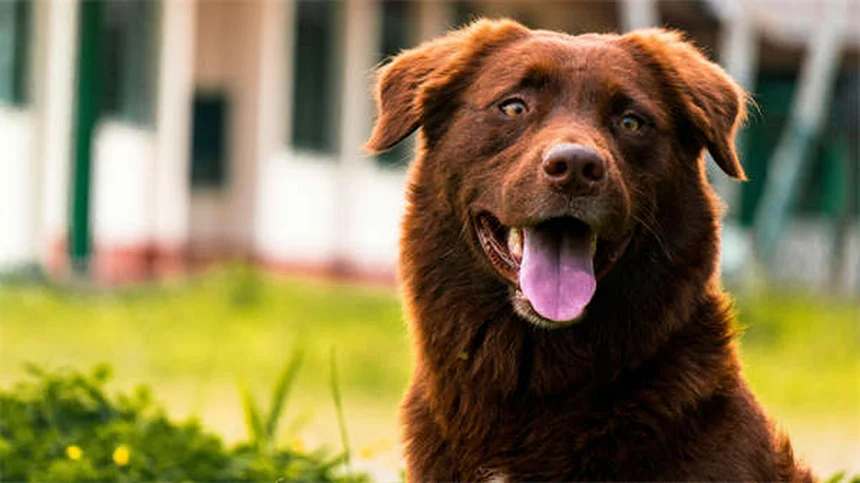 Photos provided by pixabay
Teaching Sit Like a Pro
Here's my favorite method using two identical toys:
1. Toss Toy A
2. When they bring it back, show Toy B
3. As they drop Toy A, say "drop"
4. Reward with Toy B and praise
Pro tip: Start with low-value items and work up to more tempting ones. And always make dropping more rewarding than keeping!
Putting It All Together
Practice Makes Perfect
Want to know the secret to success? Short, frequent training sessions. Five minutes three times a day beats one long session every week.
Here's a sample schedule:
- Morning: Practice "sit" during breakfast
- Afternoon: "Come" game in the backyard
- Evening: "Stay" while you prepare dinner
- Throughout day: Random "drop it" practice
Troubleshooting Common Issues
Having trouble? Let's solve some common problems:
"My dog won't listen outside!"
That's normal! Start in a boring environment and gradually add distractions. Think of it like video game levels - you wouldn't start on the boss level!
"My dog knows it at home but not at the park!"
Would you expect a kid to do calculus before learning addition? Take it step by step. Practice in slightly more distracting places before hitting the dog park.
Final Thoughts
Remember friends, training isn't about perfection - it's about progress. Every time you work with your dog, you're strengthening your bond and keeping them safer. And isn't that what being a pet parent is all about?
Now go grab some treats and start practicing! Your dog's life could depend on it.
Beyond Basic Commands: Advanced Safety Training
Emergency Situations You Haven't Considered
You know those basic commands are lifesavers, but have you thought about what happens during a real emergency? Like when a fire alarm goes off or there's a medical emergency at home? Dogs trained to respond to unusual sounds and situations have significantly better survival rates.
Let me share a story about Max, a Golden Retriever who saved his family during a gas leak. Because Max was trained to bark at specific alarm sounds, he alerted his sleeping owners when the carbon monoxide detector went off. That's the power of advanced safety training!
Teaching Your Dog Emergency Alerts
Here's how we can take training to the next level:
Start by pairing unusual sounds with positive reinforcement. When your smoke alarm battery needs changing, use that opportunity! Have treats ready, press the test button, then immediately reward calm behavior. Gradually build up to having your dog come to you when they hear the sound.
For medical alert training, try this simple exercise: When you pretend to cough or say "help," reward your dog for coming close and showing concern. Some dogs naturally pick up on these cues and can be trained to fetch help or medication.
The Psychology Behind Dog Training
How Dogs Really Learn
Ever wonder why some training methods work better than others? It's all about understanding how your dog's brain works. Dogs don't think in words like we do - they associate actions with consequences.
Here's something fascinating: Dogs have about the same language comprehension as a 2-year-old human. That's why consistency is so important! If you sometimes allow jumping when you're wearing sweatpants but not when dressed up, you're confusing your poor pup.
The Emotional Side of Training
Training isn't just about obedience - it's about building trust. When you work with your dog positively, you're actually strengthening the same bond that exists between parent and child in wolf packs.
Think about this: Would you rather work for a boss who yells or one who rewards good work? Your dog feels the same way! Positive reinforcement creates happy, confident dogs who want to listen.
Nutrition's Role in Training Success
How Diet Affects Learning
Here's something most people don't consider - what you feed your dog directly impacts their ability to learn. Dogs with balanced diets have better focus and retention during training sessions.
Let's look at some numbers:
| Diet Quality | Command Retention | Focus Duration |
|---|---|---|
| Premium Food | 85% recall after 1 week | 12-15 minutes |
| Generic Food | 62% recall after 1 week | 7-9 minutes |
| Raw Diet | 91% recall after 1 week | 18-20 minutes |
See the difference? Quality nutrition means quality training results!
Best Training Treats You Haven't Tried
We all know about store-bought treats, but have you tried these homemade options? My dogs go crazy for them:
- Freeze-dried liver (easy to make at home!)
- Small pieces of baked sweet potato
- Frozen banana slices (perfect for summer training)
- Dehydrated chicken breast (way cheaper than store versions)
Pro tip: Rotate treats to keep your dog interested. Just like us, they get bored with the same old snacks!
Training Equipment That Actually Helps
Beyond the Basic Leash
You've got your standard leash and collar, but have you explored the world of modern training tools? Not all equipment is created equal, and some can make training safer and more effective.
For recall training, I swear by long lines (30-50 foot leashes). They give your dog freedom while maintaining control. And for stay commands, a simple place mat can work wonders as a visual cue.
Tech Gadgets for Training
Would you believe there's an app for that? Modern technology offers some amazing training aids:
- GPS trackers with training features (great for recall practice)
- Automatic treat dispensers you can control from your phone
- Vibration collars (not shock collars!) for gentle reminders
- Interactive cameras to monitor training when you're not home
Remember though - technology should supplement training, not replace the human-dog connection!
When to Seek Professional Help
Signs You Need a Trainer
How do you know when it's time to call in the pros? If you're seeing any of these red flags, professional help could save you months of frustration:
- Your dog shows fear or aggression during training
- Basic commands aren't sticking after consistent practice
- You're getting frustrated and it's affecting your bond
- Safety issues persist despite your best efforts
Think about it - would you try to fix your car's transmission without proper training? Some dog behaviors need expert attention too!
Choosing the Right Trainer
Not all trainers are created equal. Look for these qualifications:
1. Certification from reputable organizations (CCPDT, KPA, or IAABC)
2. Positive reinforcement methods only (no shock collars or punishment)
3. Experience with your specific breed or issue
4. Good chemistry with both you and your dog
Don't be afraid to interview multiple trainers. This is someone who'll be working closely with your family member, after all!
Training Through Different Life Stages
Puppy vs Adult Dog Training
Did you know that training approaches should change as your dog ages? Puppies have short attention spans but learn quickly, while adult dogs may need more repetition but can focus longer.
Here's a quick comparison:
Puppies (8 weeks - 6 months):
- 5 minute sessions, 4-5 times daily
- Focus on socialization and basic commands
- Use high-value treats (they're easily distracted!)
Adult Dogs (1-7 years):
- 10-15 minute sessions, 2-3 times daily
- Can work on more complex commands
- Can use lower-value rewards in familiar environments
Senior Dog Considerations
What about our older furry friends? Training doesn't stop when the gray hairs come in! Senior dogs can learn new tricks, we just need to adjust our approach.
Keep sessions shorter (5-7 minutes) and watch for signs of fatigue. Use softer treats if dental issues exist. And remember - older dogs may need refreshers on commands they once knew perfectly!
E.g. :Another Life-Saving Skill that EVERY Dog Should Know – McCann ...
FAQs
Q: How long does it take to train a dog these life-saving commands?
A: The training timeline varies depending on your dog's age, breed, and personality, but here's what you can generally expect. For basic commands like sit, most dogs pick it up within 1-2 weeks of consistent practice. More complex commands like stay and drop it might take 3-4 weeks to really solidify. Remember, we're not just teaching the behavior - we're proofing it against real-world distractions. The key is short, frequent sessions (5 minutes, 3 times daily) rather than marathon training sessions. I always tell my clients that training is like building muscle - it happens gradually with regular exercise. And here's a pro tip: even after your dog masters these commands, keep practicing them throughout their life to maintain reliability.
Q: What's the most important life-saving command to teach first?
A: While all four commands are crucial, I always recommend starting with come (recall) as your top priority. Here's why: when your dog is running toward danger, whether it's a busy street or an aggressive animal, a solid recall gives you the power to prevent disaster. Think of it as your emergency brake. That said, sit is the easiest to teach and builds confidence for both you and your dog, so many owners find it helpful to begin there. The truth is, these commands work together as a safety system - sit stops movement, stay maintains position, drop it prevents ingestion of hazards, and come brings them back to safety. Start with whichever command feels most manageable for your dog's current skill level.
Q: Can older dogs learn these life-saving commands?
A: Absolutely! One of the most rewarding parts of my job is helping owners teach their senior dogs new tricks. While puppies might learn slightly faster, older dogs often have better focus and self-control. The training principles remain the same, but we might make a few adjustments: shorter sessions (3-4 minutes), softer treats for sensitive teeth, and being mindful of any physical limitations. I once worked with a 12-year-old Labrador who mastered a bulletproof stay in just two weeks - proving age is just a number when it comes to learning. The key is patience and celebrating small victories. Remember, it's never too late to make your dog safer through training.
Q: What treats work best for training these commands?
A: When it comes to life-saving training, we need high-value treats that really motivate your dog. Through years of testing different options with hundreds of dogs, I've found that soft, smelly, pea-sized treats work best. Some of my top picks include Stella & Chewy's Carnivore Crunch (perfect for sit training), Wellness Wellbites (great for recall), and small pieces of boiled chicken (the ultimate high-value reward). Here's what matters most: the treats should be irresistible to your dog, easy to chew quickly, and small enough that you can do many repetitions without overfeeding. Pro tip: reserve these special treats just for training sessions to maintain their value.
Q: How do I train these commands if my dog isn't food motivated?
A: Don't worry - while treats are the easiest way to train most dogs, they're not the only option. For less food-motivated pups, we can use other rewards they love. Some alternatives I've used successfully include: play rewards (a quick game of tug for coming when called), life rewards (opening the door to go outside after a good stay), and affection rewards (enthusiastic praise and petting). The secret is figuring out what truly excites your individual dog. I once trained a terrier who would do anything for the chance to chase a tennis ball - we used that as his "currency" instead of treats. The principles remain the same: mark the desired behavior immediately and follow with something your dog values.