Puppy Socialization: Why It's Crucial & How to Do It Right
- Mar 17,2026
Why is puppy socialization so important? The answer is simple: proper socialization between 8-14 weeks can make or break your dog's future temperament. I've seen too many dogs develop lifelong fears because they missed this critical window. Let me tell you straight - skipping socialization isn't just about having a shy dog, it can lead to serious behavioral issues that'll make everyday life stressful for both of you.Think about it this way - would you rather spend a few weeks introducing your pup to new experiences now, or deal with years of fear-based reactions later? We're talking about things like aggression towards strangers, panic around normal household objects, and inability to handle basic situations like vet visits. The good news? With the right approach, you can set your puppy up for a lifetime of confidence. I'll walk you through exactly how to do it.
E.g. :Pet Insurance Deductibles Explained: How to Choose the Right One
- 1、Why Socializing Your Puppy Matters More Than You Think
- 2、7 Scary Consequences of Poor Socialization
- 3、How to Fix Socialization Gaps (Yes, It's Possible!)
- 4、The Socialization Checklist You Need Right Now
- 5、Your Action Plan Starts Today
- 6、The Hidden Benefits of Proper Puppy Socialization
- 7、Common Socialization Myths Debunked
- 8、Socialization Beyond the Basics
- 9、Socialization for Adult Dogs - It's Never Too Late
- 10、Making Socialization Fun for Both of You
- 11、FAQs
Why Socializing Your Puppy Matters More Than You Think
The Critical Window You Can't Miss
Let me tell you something - those first few weeks with your puppy are like the golden ticket to a well-adjusted dog. Between 8 to 14 weeks, your pup's brain is basically a sponge soaking up every experience. This is when they learn what's safe versus scary in their world.
Think about it this way - would you rather introduce your kid to vegetables early when they're open to new things, or wait until they're set in their ways? Same principle applies here. Positive experiences now mean fewer fears later. We're talking about meeting different people (tall, short, wearing hats), hearing city noises, walking on various surfaces - the whole nine yards.
What Happens When Socialization Gets Skipped?
Ever seen a grown dog lose their mind over a vacuum cleaner? That's often a socialization issue. Dogs who miss out on early positive experiences tend to develop what we call "the fear factor."
Here's the thing - it's not just about being shy. We're talking serious behavioral consequences that can make everyday life stressful for both you and your dog. Picture this: your dog sees a child riding a bike and suddenly lunges, not because they're aggressive, but because they've never seen anything like it before. Their brain goes straight to "DANGER!" mode. That's the power of missed socialization - it turns ordinary things into potential threats.
7 Scary Consequences of Poor Socialization
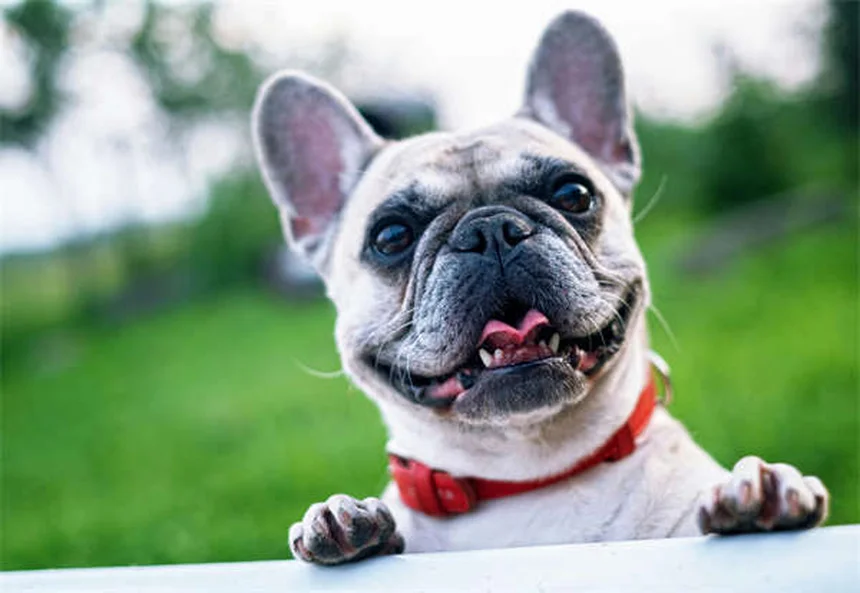 Photos provided by pixabay
1. Fear Becomes Their Default Setting
You know how some people jump at every little noise? That's your unsocialized dog. Everything new equals potential danger in their mind. The mail carrier? Threat. That plastic bag blowing in the wind? Definitely out to get them.
Let me give you a real example - my neighbor's dog Rex. Never properly socialized. Now at 3 years old, he's terrified of his own shadow. We're talking full-blown panic attacks over things like:
| Normal Thing | Rex's Reaction |
|---|---|
| Umbrellas opening | Hides under bed for hours |
| Doorbell ringing | Barks uncontrollably |
| New person visiting | Trembles and drools |
2. Aggression That Comes From Nowhere
Here's something that might surprise you - most "aggressive" dogs are actually just scared. Without proper socialization, your pup might see the world as one big threat. And what do animals do when threatened? They either run or fight.
But wait - isn't aggression just about bad training? Nope! Let me explain. Imagine you're suddenly dropped in the middle of Tokyo with no preparation. The sights, sounds, smells - overwhelming, right? That's how an unsocialized dog feels in normal situations. Their "aggression" is really just panic in disguise.
How to Fix Socialization Gaps (Yes, It's Possible!)
Start Small, Think Big
Okay, so maybe you're reading this thinking "crap, my dog is already past puppy stage." Don't panic! While early socialization is ideal, it's never too late to help your dog feel more comfortable in their own skin.
The key is baby steps. Like, really tiny steps. If your dog freaks out at strangers, start by having someone stand 20 feet away while you give treats. Then 19 feet. Then 18. You get the idea. Celebrate every small victory - we're building confidence here!
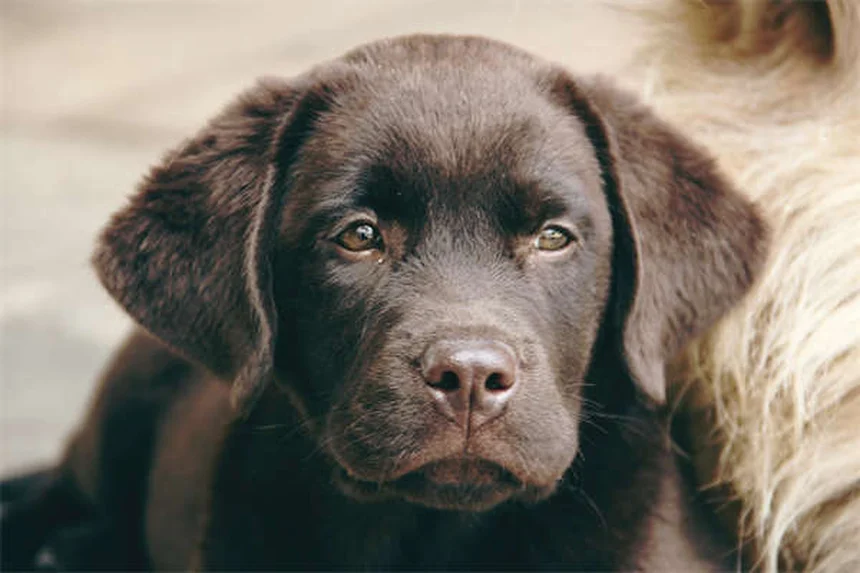 Photos provided by pixabay
1. Fear Becomes Their Default Setting
Here's a pro tip - turn your daily walks into socialization opportunities. See a trash can? Great! Walk past it while giving treats. Hear a loud truck? Perfect timing for chicken bits. You're rewiring your dog's brain to associate "scary" things with good stuff.
Remember my neighbor's dog Rex? After months of this approach, he can now walk past an open umbrella without melting down. Progress takes time, but man is it worth it when you see that tail start to wag in situations that used to trigger panic.
The Socialization Checklist You Need Right Now
Must-Meet People Categories
Let's get practical. Here's who your pup needs to meet before it's too late:
- People wearing hats/helmets
- Kids of different ages
- People using canes/walkers
- Delivery personnel (they'll see these folks a lot!)
- People of different ethnicities
Why does this matter? Because dogs don't generalize well. Meeting one "scary" looking person doesn't mean they'll be cool with all similar-looking people. We need to expose them to variety.
Environmental Must-Haves
Think beyond just people. Your dog's world includes:
- Different floor surfaces (tile, gravel, grass)
- Stairs and elevators
- Car rides (start short!)
- Crowded places (start quiet, build up)
- Other animals (when safe and vaccinated)
Pro tip: Carry high-value treats everywhere during this phase. Chicken, cheese, hot dogs - whatever makes your dog's tail wag hardest. Positive associations are everything in socialization.
Your Action Plan Starts Today
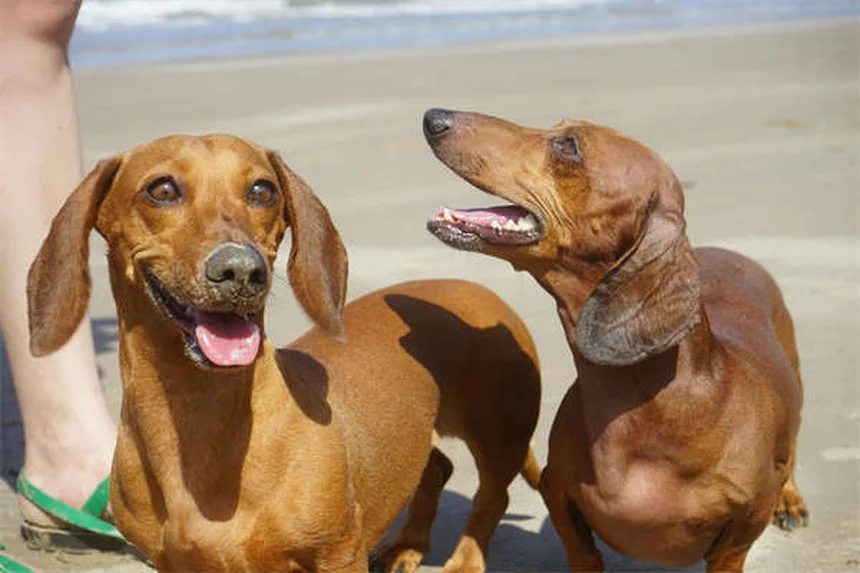 Photos provided by pixabay
1. Fear Becomes Their Default Setting
Don't try to do everything at once. Pick one socialization goal per week. Maybe this week it's meeting two new people. Next week could be walking on a new surface. Small wins add up!
Remember - socialization isn't about overwhelming your pup. It's about positive, controlled exposures that build confidence. If your dog seems stressed, dial it back. We want them succeeding, not drowning.
Track Your Progress
Grab a notebook or use your phone to track what you've worked on. You'll be amazed at how far you've come in a few months. Plus, on tough days, you can look back and see all the progress you've made together.
Here's the bottom line - socialization isn't just about preventing problems. It's about giving your dog the gift of confidence to enjoy life to the fullest. And isn't that what we all want for our furry best friends?
The Hidden Benefits of Proper Puppy Socialization
Building a Dog That Adapts to Your Lifestyle
You know what's better than having a dog? Having a dog that actually fits into your life seamlessly. Proper socialization creates adaptable companions who can handle whatever adventures you throw at them. Want to take weekend trips? Enjoy outdoor cafes? Have friends over for game night? A well-socialized pup makes all this possible.
Let me share a personal story - my cousin's golden retriever, Bailey, went through intensive socialization as a puppy. Now at 2 years old, she's equally comfortable camping in the woods, staying in busy hotels, or chilling at home during movie nights. That's the power of early positive exposures!
The Surprising Health Benefits
Here's something most people don't realize - stress takes a real toll on dogs' physical health. Chronic anxiety from poor socialization can lead to digestive issues, skin problems, and even a weakened immune system.
Think about it - would you rather have a dog that gets sick every time you take them to a new place, or one that stays healthy because they're not constantly stressed? The choice seems pretty clear when you look at it that way. Socialization isn't just about behavior - it's about overall wellbeing.
Common Socialization Myths Debunked
"My Dog Will Grow Out of Being Shy"
How many times have you heard someone say this? Here's the hard truth - fearful puppies often become more fearful adults without proper intervention. That cute little shake your pup does when nervous? Without positive experiences, that can turn into full-blown panic attacks.
But wait - don't dogs naturally become more confident with age? Actually, the opposite tends to happen. Without positive reinforcement, fearful responses typically intensify over time. That's why early socialization is so crucial - we're setting them up for success before those fears become ingrained.
"Only Certain Breeds Need Socialization"
This one makes me laugh every time. Let me ask you something - have you ever met a Chihuahua that wasn't socialized? Exactly. All dogs benefit from proper socialization, regardless of size, breed, or temperament.
Here's a quick comparison of how different breeds might show socialization gaps:
| Breed Type | Common Socialization Issue | Typical Reaction |
|---|---|---|
| Small breeds | Fear of strangers | Excessive barking |
| Large breeds | Leash reactivity | Pulling/lunging |
| Working breeds | Overstimulation | Hyperactivity |
Socialization Beyond the Basics
Preparing for Life's Unexpected Moments
Sure, we all think about socializing puppies with people and other dogs. But what about those random life events? Your dog needs to experience things like:
- Being handled by veterinarians
- Riding in elevators
- Hearing fireworks or thunderstorms
- Seeing people in costumes
- Encountering unusual animals (like squirrels or birds)
Why does this matter? Because life throws curveballs. The more prepared your dog is, the better they'll handle surprises. I'll never forget the Halloween when my neighbor's unsocialized dog met a kid in a dinosaur costume - let's just say it didn't end well for anyone's eardrums.
The Power of Novelty in Small Doses
Here's a pro tip most trainers won't tell you - it's not about overwhelming your pup with new experiences, but about carefully introducing novelty in manageable chunks. Think quality over quantity.
For example, instead of taking your puppy to a crowded farmer's market (way too much at once), start with sitting outside a quiet coffee shop where a few people pass by occasionally. Build up gradually. Your dog's confidence will grow with each positive experience, setting them up for long-term success.
Socialization for Adult Dogs - It's Never Too Late
Rewiring the Fearful Brain
Okay, real talk - what if you've got an adult dog with socialization gaps? Good news! Dogs can learn new associations at any age. The process might take longer, but the principles remain the same.
Here's how it works: when your dog encounters something scary at a distance where they notice but don't react, you reward them. Gradually decrease the distance over multiple sessions. This technique, called desensitization, helps create new positive neural pathways in their brain.
Finding Your Dog's "Sweet Spot"
Every dog has what trainers call a threshold - the point where they go from curious to overwhelmed. Your job is to keep experiences just challenging enough to promote growth, but not so difficult they shut down.
Watch for these subtle signs your dog is at their ideal learning zone:
- Ears forward but relaxed
- Soft, wagging tail
- Willingness to take treats
- Brief curious glances at new things
When you see these signals, you know you've hit the socialization sweet spot - that magical place where real learning happens!
Making Socialization Fun for Both of You
Turning Training Into Playtime
Who says socialization has to feel like work? Some of our best bonding moments with our pup Max came during "socialization adventures" we turned into games. Try these fun approaches:
- "Find the stranger" (reward for calm greetings)
- Surface texture scavenger hunt
- Sound bingo (reward for calm reactions to noises)
- Puppy playdates with well-matched dogs
The more you make it enjoyable, the more your dog will look forward to new experiences. And let's be honest - it's way more fun for you too when it feels like play rather than training.
Celebrating Small Victories
Here's something I wish more dog owners understood - socialization progress isn't linear. Some days your dog will amaze you, other days they might backslide. That's completely normal!
The key is to celebrate every step forward, no matter how small. Did your dog notice a skateboard without panicking today? That's a win! Took a treat near a new person? Major progress! These little victories add up to big changes over time.
E.g. :7 Dangers of Not Socializing Your Dog | PetMD
FAQs
Q: What happens if I don't socialize my puppy properly?
A: Let me be honest with you - the consequences can be pretty serious. Dogs who miss proper socialization often develop what we call "the fear factor." Everything new becomes potentially dangerous in their mind. I've worked with dogs who panic at everyday things like umbrellas, trash cans, or even their own shadow. The worst part? This fear can turn into aggression because scared dogs often lash out. We're talking about behaviors like excessive barking, lunging at strangers, or even biting when frightened. The good news is that while early socialization is ideal, you can still help older dogs - it just takes more patience and the right approach.
Q: Can I socialize my puppy after 14 weeks?
A: Absolutely! While those first few weeks are the golden period, it's never too late to help your dog feel more comfortable in the world. Here's how I approach it with my clients: we start super small and build up slowly. If your dog is scared of strangers, we might begin by having someone stand 50 feet away while giving treats, then gradually decrease the distance. The key is to always keep experiences positive and never push your dog past their comfort zone too quickly. I've seen remarkable transformations in adult dogs with consistent, positive socialization - it just might take a few extra months compared to puppies.
Q: How do I socialize my puppy during the pandemic?
A: Great question! Social distancing doesn't mean your pup has to miss out. Here's what I recommend: use your creativity to expose them to new experiences safely. Play recordings of city sounds at home. Dress up in different outfits (hats, sunglasses, coats) yourself. Use car rides to experience new environments from a safe distance. Carry treats to reward calm behavior when they see something new from afar. Remember, socialization isn't just about physical contact - it's about positive exposure to new sights, sounds, and smells. Even during lockdowns, you can create rich learning experiences for your pup.
Q: My puppy seems scared during socialization - what should I do?
A: First rule - don't force it! I can't stress this enough. If your pup shows signs of fear (tucking tail, hiding, trembling), dial it back immediately. Here's my go-to approach: identify what's scaring them, then create distance until they're comfortable. Reward any calm behavior with high-value treats like chicken or cheese. Next session, start further away and move slower. The goal is to keep experiences positive and pressure-free. Remember, it's better to do ten short, successful sessions than one long stressful one. Your puppy's confidence will grow with each small victory.
Q: How do I know if my puppy is properly socialized?
A: Look for these key signs: your pup approaches new things with curiosity rather than fear, recovers quickly from surprises, and can handle everyday situations without stress. A well-socialized dog might startle at a loud noise but then quickly relax, whereas an under-socialized dog might panic and take hours to calm down. Keep in mind that socialization isn't a one-and-done deal - it's an ongoing process. Even after the critical window closes, you'll want to continue exposing your dog to new experiences throughout their life to maintain that confident temperament we all want.