How to Take Care of a Dog: 10 Essential Tips for New Pet Parents
- Mar 28,2026
How to take care of a dog? The answer is simple yet comprehensive: being a responsible pet parent requires love, patience, and knowledge. Whether you're adopting your first puppy or welcoming a rescue dog into your home, understanding their needs is crucial for their happiness and wellbeing. I've been through this journey myself with my golden retriever Max, and let me tell you - while it's incredibly rewarding, there's definitely a learning curve!From my experience, the key to successful dog care comes down to three main things: proper training, consistent routine, and preventative healthcare. You might feel overwhelmed at first (I know I was!), but don't worry - we'll break it all down together. By the end of this guide, you'll have all the tools you need to become the best dog parent your furry friend could ask for!
E.g. :5 Essential Dog Obedience Training Tips Every Owner Should Know
- 1、Becoming the Best Dog Parent Ever
- 2、The Joy of Playtime
- 3、Walk This Way: The Art of Dog Walking
- 4、Grooming: More Than Just Looking Good
- 5、Health Essentials You Can't Ignore
- 6、Final Thoughts From One Dog Lover to Another
- 7、Expanding Your Dog Parenting Knowledge
- 8、Nutrition Beyond the Bowl
- 9、Creating a Dog-Friendly Home
- 10、Traveling With Your Best Friend
- 11、Special Considerations for Different Life Stages
- 12、FAQs
Becoming the Best Dog Parent Ever
Hey there future dog parent! I'm so excited you're considering bringing a furry friend into your life. Let me tell you - having a dog is one of life's greatest joys, but it does come with responsibilities. Think of me as your personal dog care coach - I'll walk you through everything you need to know to keep your pup happy and healthy.
Why Training Should Be Your First Priority
You know what they say - you can't teach an old dog new tricks. Well, that's actually not true at all! But it does highlight how important early training is. I made the mistake of waiting too long to train my first dog, and let's just say... we had some interesting adventures.
Here's the deal - dogs don't automatically understand our human rules. We need to teach them what's expected. Basic commands like "sit," "stay," and "come" aren't just party tricks - they could literally save your dog's life one day. Imagine your pup slips out the front door - that "come" command becomes priceless!
Making Training Fun For Both of You
Now, I know what you're thinking - "Training sounds like work!" But here's the secret: it should be fun! Positive reinforcement training means lots of treats, praise, and play. My golden retriever Max thinks training sessions are the best part of his day (probably because he gets more treats than usual).
Start with short 5-10 minute sessions a few times a day. Keep it light and positive. And remember - every dog learns at their own pace. My neighbor's poodle mastered "roll over" in a week while Max... well, we're still working on it after three months!
The Joy of Playtime
 Photos provided by pixabay
Finding Your Dog's Favorite Game
Did you know dogs have different play styles just like people? Some are fetchers, some are chewers, and some just want to wrestle. My friend's bulldog will play tug-of-war for hours, while Max would rather chase a ball until he collapses.
Here's a quick comparison of popular dog toys:
| Toy Type | Best For | My Recommendation |
|---|---|---|
| Chew Toys | Power chewers | KONG Extreme - lasts months! |
| Plush Toys | Gentle players | Look for reinforced stitching |
| Interactive Puzzles | Smart cookies | Great for rainy days |
Why Play Matters More Than You Think
Here's something that might surprise you - play isn't just about burning energy. It's crucial for your dog's mental health too. A bored dog can become a destructive dog. I learned this the hard way when Max decided my favorite shoes looked like chew toys!
Set aside at least 30 minutes a day for dedicated play. Mix it up - some days we play fetch, other days we work on nose games where Max has to find hidden treats. Variety keeps things exciting for both of you!
Walk This Way: The Art of Dog Walking
Finding the Perfect Walk Routine
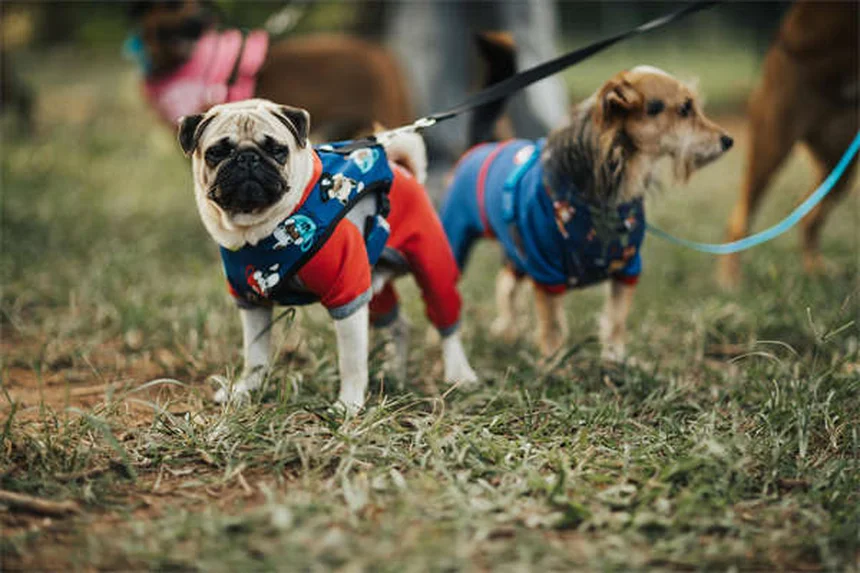
How much walking does your dog really need? That's like asking how much coffee I need in the morning - it depends! Small breeds might be happy with short strolls, while high-energy dogs like border collies need serious exercise.
Here's a pro tip I learned from my vet: Watch your dog's behavior after walks. If they're still bouncing off the walls, they need more. If they collapse happily, you've hit the sweet spot!
 Photos provided by pixabay
Finding Your Dog's Favorite Game
Ever seen those viral videos of dogs dragging their owners down the street? Yeah, let's avoid that. A proper leash and collar (or harness) setup is crucial. I prefer harnesses for Max because they distribute pressure better.
But here's a question you might not have considered: Why do some dogs pull on leashes? Often, it's because they're excited and want to explore faster than we walk. Training them to walk nicely takes patience, but it's so worth it!
Grooming: More Than Just Looking Good
Bathing Basics
Let's talk about bath time - the moment many dogs dread! The key is making it a positive experience. I give Max special treats only during baths, and now he actually gets excited when he sees me get out the shampoo.
How often should you bathe your dog? Here's the scoop:
- Short-haired breeds: Every 2-3 months
- Long-haired breeds: Every 4-6 weeks
- Dogs who love rolling in mud: As needed (trust me on this one)
Nail Care Made Easy
I'll be honest - trimming nails scared me at first. But long nails can actually cause pain and posture problems. Here's what worked for me: start young, go slow, and use lots of treats. If you're nervous, ask your vet or groomer to show you how.
One trick I learned? If you can hear your dog's nails clicking on the floor, they're probably too long. Time for a trim!
Health Essentials You Can't Ignore
 Photos provided by pixabay
Finding Your Dog's Favorite Game
Regular vet check-ups are like oil changes for your car - skip them, and you might end up with bigger problems later. Adult dogs should see the vet at least once a year, while seniors need check-ups every six months.
Here's something I wish I knew sooner: pet insurance. That one emergency visit could cost more than a year's worth of premiums. Trust me, it's worth considering!
Dental Health Matters
Would you go years without brushing your teeth? Of course not! Yet many dog owners neglect their pup's dental care. Start brushing early (with dog toothpaste - human toothpaste can be toxic) and make it part of your routine.
Did you know that dental disease can lead to heart problems in dogs? That fact convinced me to be more diligent about Max's teeth!
Final Thoughts From One Dog Lover to Another
Being a dog parent is one of the most rewarding experiences you'll ever have. Yes, it takes work, but the unconditional love you get in return makes it all worthwhile. Remember - every dog is unique, so don't stress if your journey looks different from others.
The most important thing? Enjoy the ride. Before you know it, you'll wonder how you ever lived without those sloppy kisses and wagging tail greetings. Now go give your pup some extra belly rubs from me!
Expanding Your Dog Parenting Knowledge
The Power of Socialization
You know what's more important than teaching "sit"? Helping your pup make friends! Socialization isn't just about playdates - it's about exposing your dog to different people, sounds, and environments during their critical learning period (usually 3-14 weeks old).
I'll never forget when I first took Max to a busy farmers market. At first, he was overwhelmed by all the smells and noises. But after regular visits, he became the most confident pup you'd ever meet! Start slow - maybe just sit outside a coffee shop and let your dog observe the world. Bring plenty of treats to create positive associations with new experiences.
Understanding Dog Body Language
Ever wonder why your dog yawns when you pet them? It might not mean what you think! Dogs communicate volumes through their body language, and learning to read these signals can prevent misunderstandings.
Here's a quick cheat sheet I wish I had earlier:
| Signal | What It Often Means | What To Do |
|---|---|---|
| Whale eye (showing whites of eyes) | Stress or discomfort | Give space |
| Low, slow wagging tail | Uncertainty | Approach calmly |
| Play bow (front down, rear up) | Let's play! | Join the fun! |
Remember when Max met my cousin's toddler? His stiff body and pinned-back ears told me he wasn't comfortable, even though he wasn't growling. I intervened before the situation escalated - a proud dog parent moment!
Nutrition Beyond the Bowl
The Great Kibble Debate
Walk into any pet store and you'll face a wall of dog food options that could make your head spin. Raw, grain-free, organic - what's really best? After hours of research and conversations with my vet, here's what I learned.
The truth is, there's no one-size-fits-all answer. Max thrives on a high-quality kibble with occasional fresh toppers (he goes crazy for steamed carrots). But my friend's bulldog does better on a prescription diet. The key? Look for foods that meet AAFCO standards and suit your dog's specific needs.
Treats That Train and Nourish
Why waste calories on empty treats when you can use nutritious options? I keep three types of treats on hand: high-value (like freeze-dried liver for important training), medium-value (training biscuits), and low-value (his regular kibble for easy commands).
Here's a fun fact: you can use pieces of your dog's regular meal as training rewards! This prevents overfeeding while making every interaction a learning opportunity. Just subtract the training treats from their daily portion.
Creating a Dog-Friendly Home
Safety Proofing Like a Pro
Did you know the most common pet poisonings come from human medications? I learned this the hard way when Max somehow reached my ibuprofen bottle (he's fine, thank goodness!). Now I keep all medications - and chocolate! - in high cabinets.
Other often-overlooked hazards include certain houseplants (lilies are especially dangerous), electrical cords, and even some essential oil diffusers. Take a puppy's-eye view of your home - get on your hands and knees to spot potential dangers at their level.
Creating Comfort Zones
Every dog needs a safe space to retreat to when life gets overwhelming. For Max, it's his crate with a cozy blanket and a shirt that smells like me. But some dogs prefer dog beds in quiet corners.
The secret? Let your dog choose their spot. Notice where they naturally like to nap, then enhance that area with their favorite comforts. And never disturb them when they're in their safe space - this teaches them they can truly relax there.
Traveling With Your Best Friend
Road Trip Ready
Is there anything better than seeing your dog's ears flapping in the wind as you drive to new adventures? But before you hit the road, consider these must-haves: a secure harness or travel crate, plenty of water, and familiar comforts from home.
I always pack Max's "go bag" with his favorite toy, a collapsible bowl, and an extra leash. Pro tip: research pet-friendly stops along your route. Many rest areas now have dog parks - perfect for burning off energy during long drives!
When You Can't Bring Them Along
Sometimes travel plans just don't work with dogs. But how do you find care you can trust? After trying everything from pet sitters to kennels, here's what works for us.
A great pet sitter will:- Send daily updates with photos- Follow your dog's routine- Know basic pet first aid- Have excellent references
I interview potential sitters by having them meet Max first. His enthusiastic greeting (or lack thereof) tells me everything I need to know!
Special Considerations for Different Life Stages
Puppyhood Perks and Challenges
Those adorable puppy eyes hide a secret - they're basically furry toddlers with sharp teeth! The puppy phase requires extra patience but pays off in lifelong bonds.
My top puppy tips:- Puppy-proof like you're baby-proofing- Start handling exercises early (touch paws, ears, mouth)- Socialize carefully before vaccinations are complete- Remember - they'll only be this small for a blink!
Senior Dog Care
Watching your playful pup become a gray-muzzled companion brings both joy and new responsibilities. Did you know dogs are considered seniors at 7+ years for large breeds and 10+ for small ones?
Senior dogs often need:- More frequent vet checkups- Joint supplements- Softer bedding- Shorter but more frequent walks- Patience with occasional accidents
Max isn't there yet, but my neighbor's 12-year-old lab taught me that senior dogs have a special kind of wisdom and love to share. Their slower pace just means more quality snuggle time!
E.g. :General Dog Care | ASPCA
FAQs
Q: What's the most important thing to teach a new dog?
A: The absolute most important thing to teach your new dog is basic obedience commands like "sit," "stay," and "come." I can't stress this enough - these commands form the foundation for all other training and can literally be lifesavers in dangerous situations. When I first got Max, I focused too much on cute tricks before mastering the basics, and let's just say we had some close calls at the dog park! Start with short, positive training sessions using treats and praise. Remember, consistency is key - use the same commands every time and practice daily. According to certified dog trainers, just 5-10 minutes a few times a day can make a huge difference in your dog's behavior.
Q: How often should I walk my dog?
A: The frequency and length of walks depends entirely on your dog's breed, age, and energy level. From my experience with Max (a high-energy golden), we aim for at least two 30-minute walks daily, plus playtime. But here's the thing - small or low-energy breeds might be happy with shorter strolls, while working breeds might need hours of exercise. A great tip I learned from my vet: watch your dog's behavior after walks. If they're still bouncing off the walls, they need more activity. If they happily nap afterward, you've hit the sweet spot! Don't forget - walks aren't just about exercise; they provide crucial mental stimulation through sniffing and exploring.
Q: What vaccinations does my dog need?
A: Core vaccinations every dog needs include rabies, distemper, parvovirus, and adenovirus. When I first brought Max home, I was surprised to learn that vaccination schedules vary based on age and lifestyle. Puppies need a series of shots starting at 6-8 weeks, while adult dogs typically require annual boosters. Your vet might also recommend non-core vaccines like Bordetella (kennel cough) if your dog goes to daycare or boarding facilities. Pro tip from one dog parent to another: keep a vaccination record in your phone - you'll need it for grooming appointments, dog parks, and travel!
Q: How can I make bath time easier for my dog?
A: After many failed attempts with Max, I've learned that positive association is the secret to stress-free baths. Here's what works for us: use lukewarm water, dog-specific shampoo (human products can irritate their skin), and lots of special treats reserved only for bath time. Start slow - maybe just getting them comfortable with the tub first. I also put a non-slip mat down and speak in a calm, happy voice throughout. One groomer taught me that bathing frequency depends on breed: short-haired dogs every 2-3 months, long-haired breeds every 4-6 weeks. But let's be real - if your dog finds a mud puddle, all bets are off!
Q: What's the best way to introduce a new dog to my home?
A: Introducing a new dog requires patience and preparation - trust me, I've done it three times now! Start by dog-proofing your space: secure trash cans, remove toxic plants, and create a quiet area with their bed. The first few days should be low-key - no big parties or overwhelming introductions. Stick to a consistent schedule for meals, walks, and potty breaks to help them adjust. One thing I wish I knew earlier: even if you're excited to show off your new friend, limit visitors for the first week. This gives your dog time to bond with you and feel secure in their new environment. Remember, every dog adjusts at their own pace!